 Jun 08, 2026
 John Smith

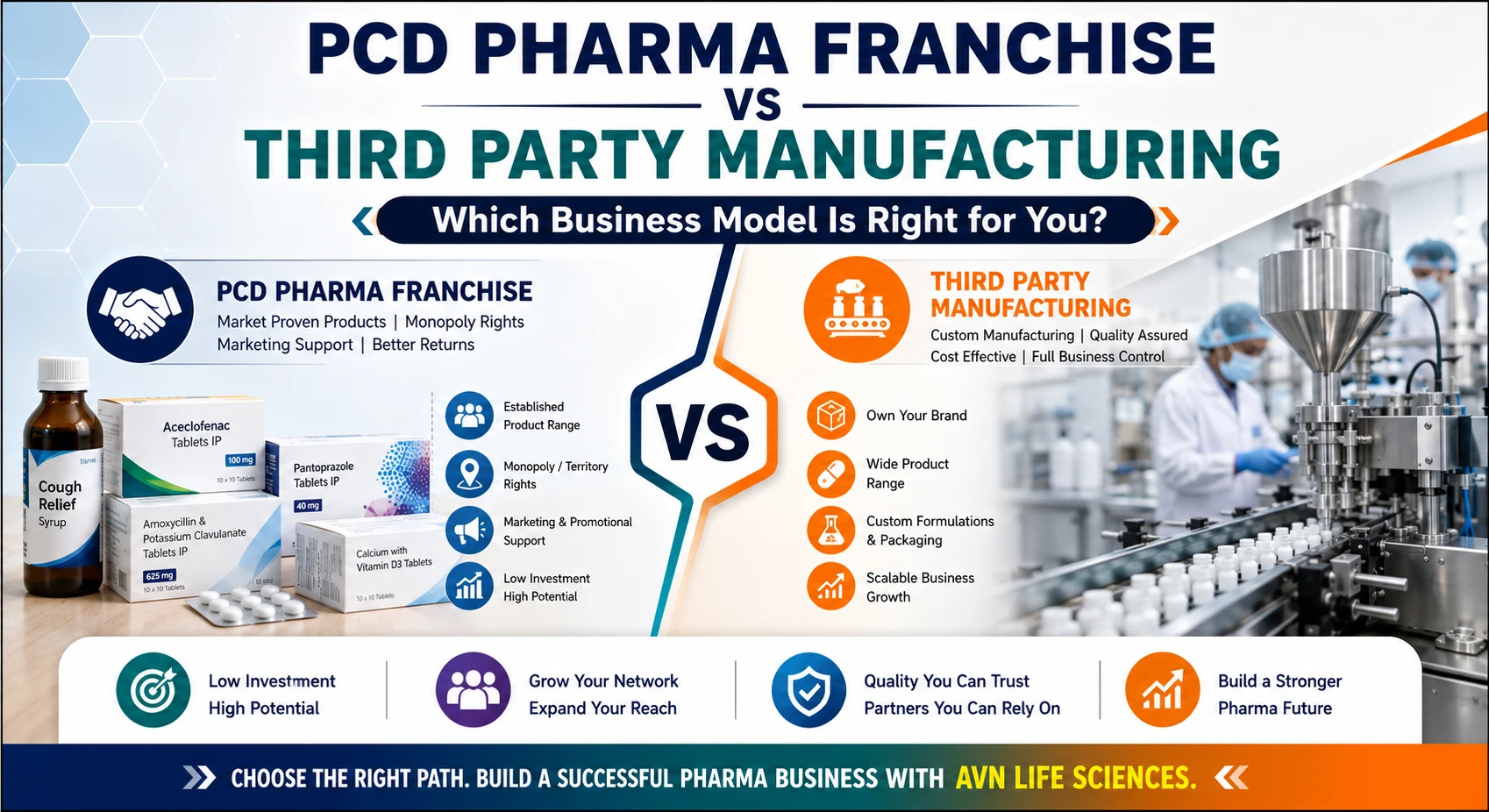
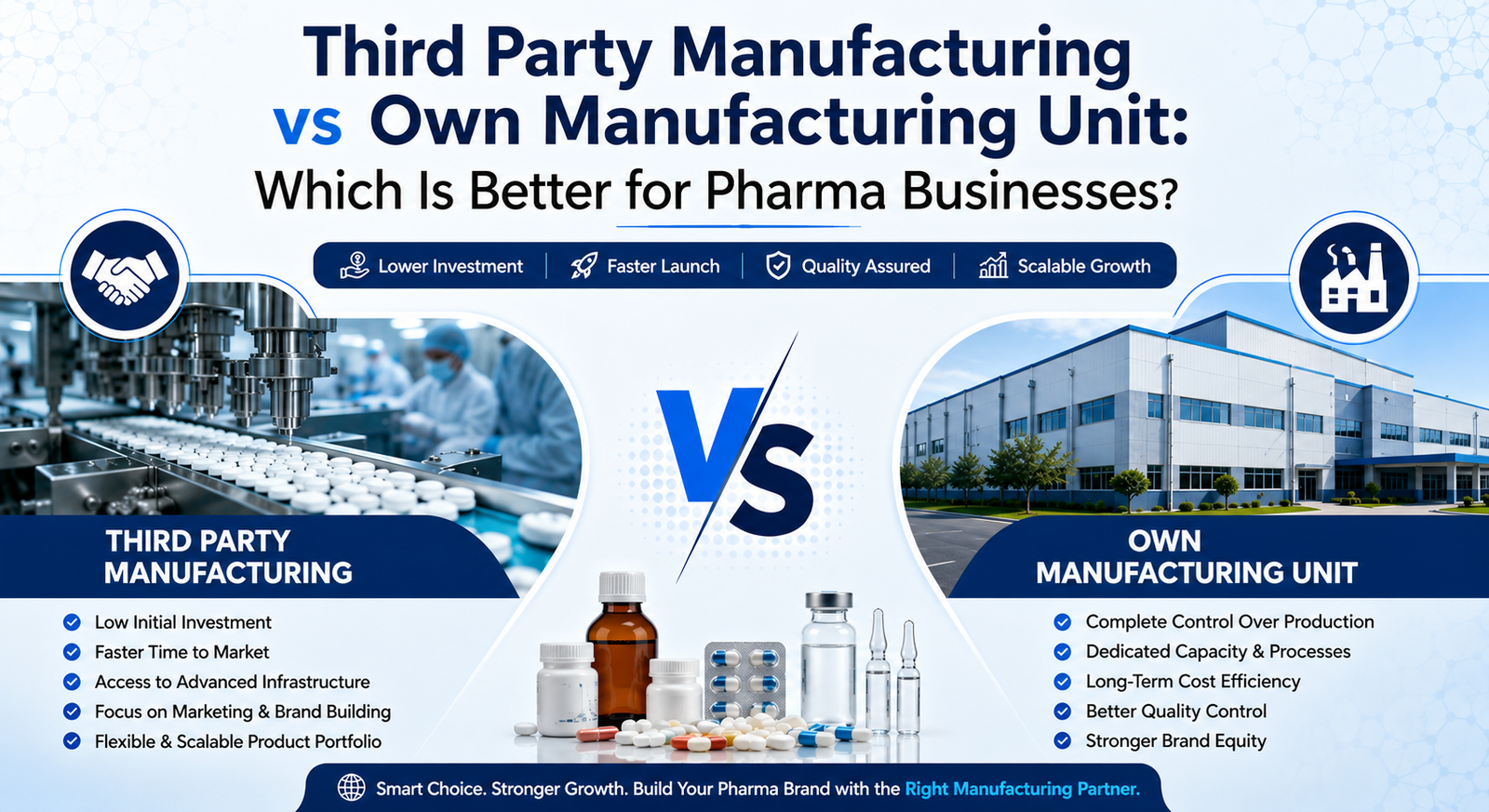
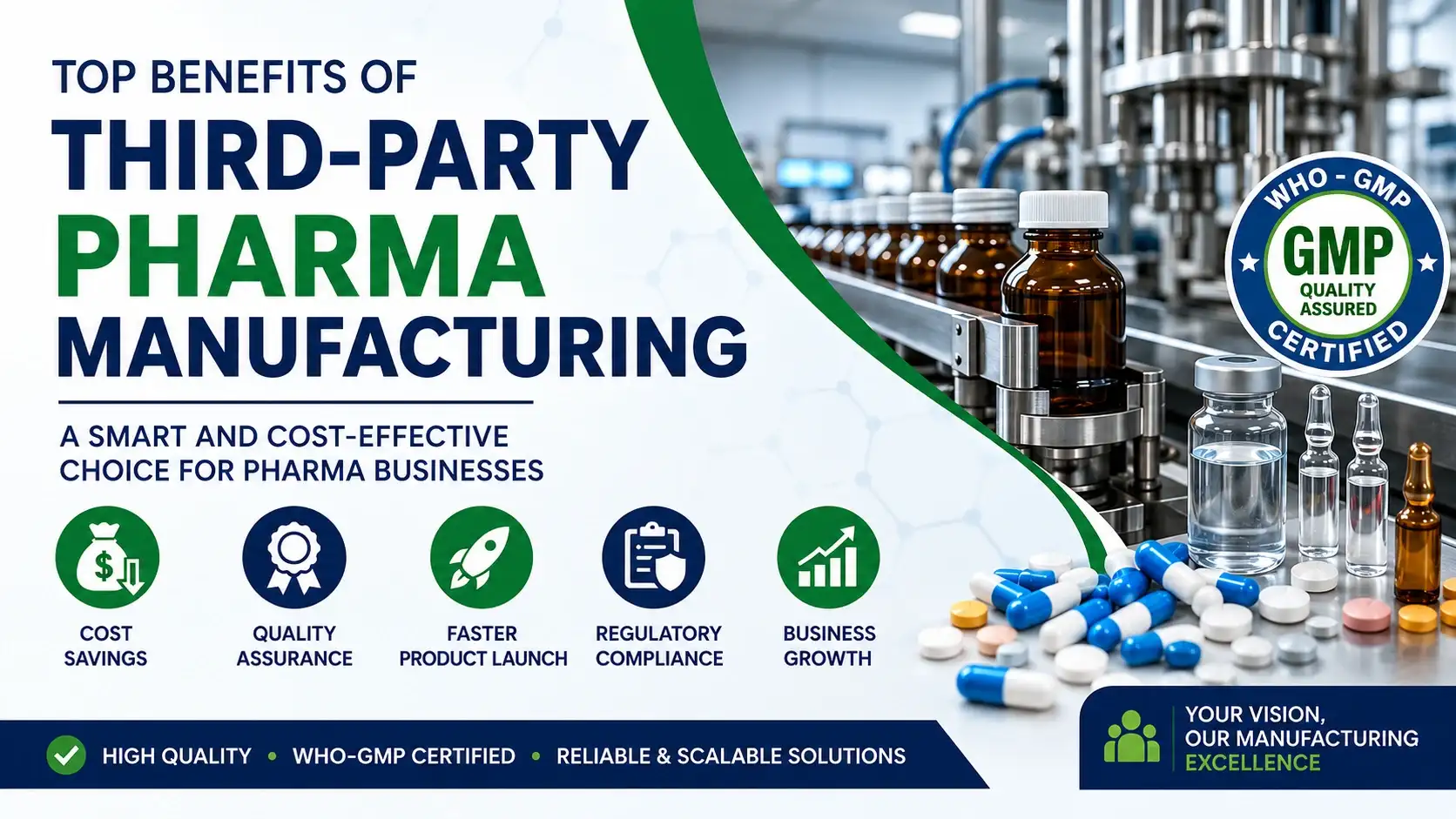
Third Party Pharma Manufacturing, also known as contract manufacturing, is a process where a pharmaceutical company outsources the production of medicines to a specialized manufacturer. The manufacturing partner handles formulation, production, quality testing, packaging, and compliance, while the brand owner focuses on sales, marketing, and business growth.
At AVN Life Sciences, we provide WHO-GMP compliant third-party manufacturing services for tablets, capsules, syrups, injections, nutraceuticals, and various therapeutic segments.
1. Significant Cost Savings
Setting up a pharmaceutical manufacturing unit requires substantial investment in infrastructure, machinery, skilled manpower, quality control laboratories, and regulatory approvals.
By choosing Third Party Pharma Manufacturing, businesses can avoid these heavy capital expenditures and focus their resources on branding, sales, and expansion. Cost reduction is consistently cited as one of the primary reasons companies adopt the model.
2. Faster Product Launch
Launching a new pharmaceutical product can take significant time when building manufacturing capabilities internally.
A reliable pharma manufacturing partner already possesses the required facilities, certifications, and production capabilities, enabling faster market entry and quicker expansion of product portfolios.
3. Focus on Core Business Activities
Managing production operations can be complex and resource-intensive.
Third-party manufacturing allows businesses to focus on:
4. Wide Product Portfolio Expansion
A manufacturing partner often offers multiple dosage forms and therapeutic categories.
Businesses can easily expand into:
5. Access to Advanced Manufacturing Facilities
Leading pharmaceutical manufacturers invest heavily in modern production technologies, quality control systems, and research capabilities.
Partnering with an experienced manufacturer gives businesses access to advanced manufacturing infrastructure without making large investments themselves.
AVN Life Sciences is a trusted pharmaceutical manufacturing company in India offering:
Looking for a reliable Third Party Pharma Manufacturing Partner in India?
Explore our Third Party Pharma Manufacturing Services to learn about our manufacturing capabilities, product range, packaging options, quality standards, and partnership process.
Discover our collection of related blogs covering expert health tips, wellness advice, and the latest updates from the pharma industry.