 Jul 10, 2026
 John Smith

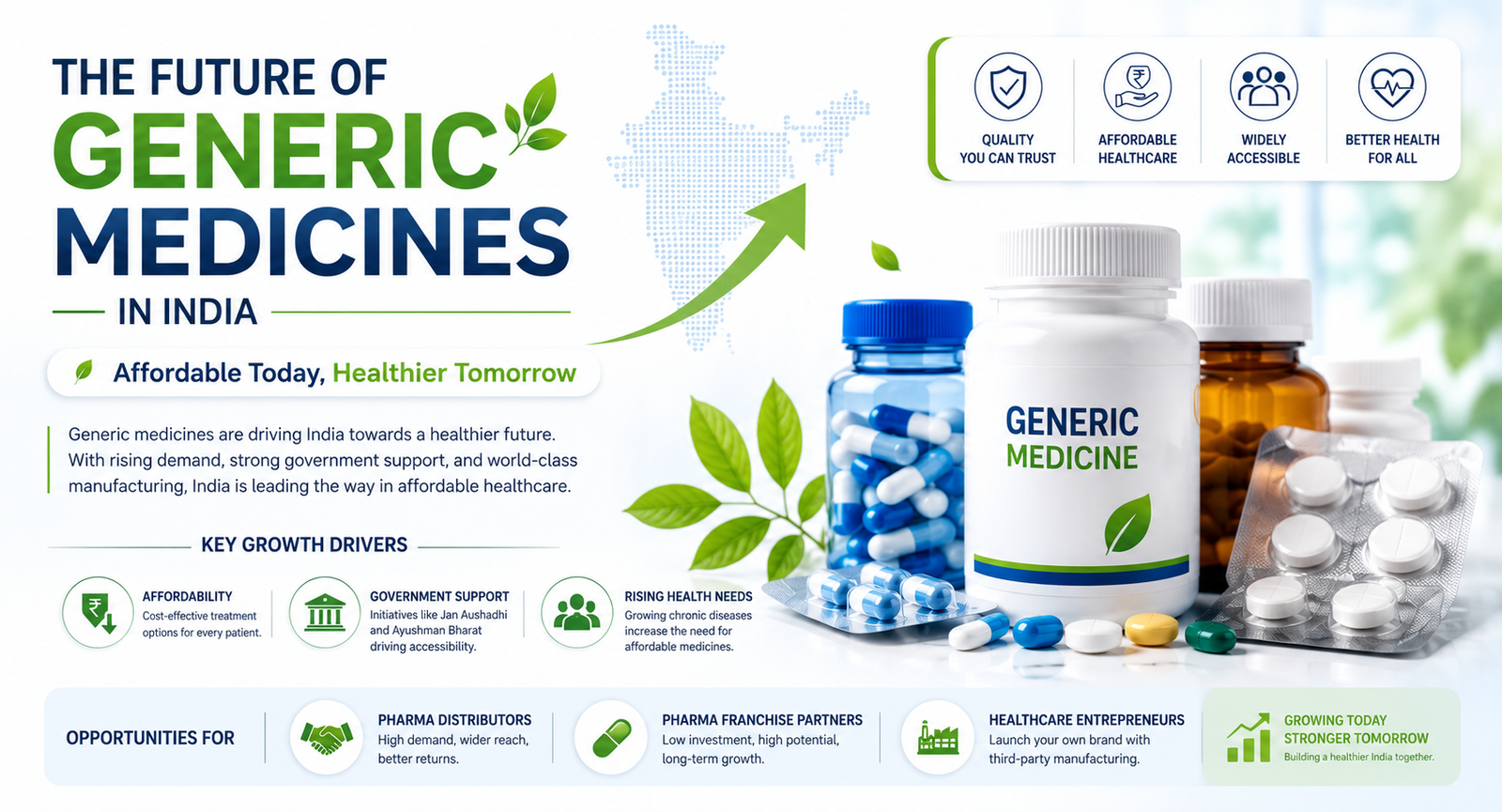
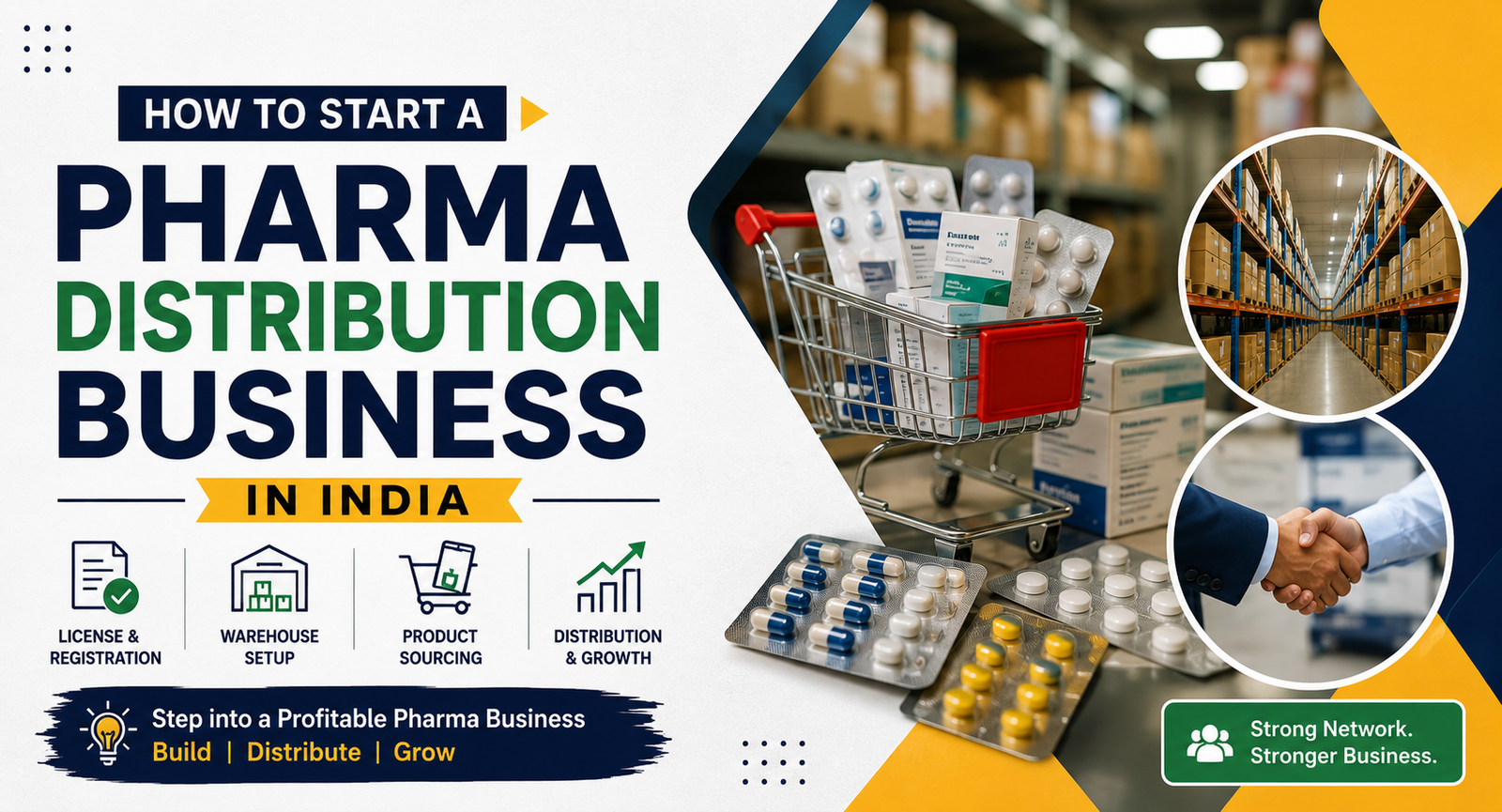
India's pharmaceutical industry is among the largest and fastest-growing healthcare sectors in the world. With rising healthcare awareness, increasing demand for generic medicines, and government support for affordable healthcare, the Pharma Distribution Business has emerged as one of the most profitable B2B opportunities in India.
Whether you want to supply medicines to hospitals, clinics, pharmacies, healthcare institutions, or build a large pharmaceutical distribution network, entering the pharma distribution industry can offer long-term growth and sustainable profits.
In this comprehensive guide, you'll learn everything about starting a Pharma Distribution Business in India, including licensing requirements, investment, infrastructure, supplier partnerships, profit margins, and growth strategies.
The pharmaceutical distribution sector acts as the backbone of India's healthcare supply chain. Pharmaceutical distributors bridge the gap between manufacturers and retailers, ensuring medicines reach patients efficiently.
Key reasons to enter the business include:
As healthcare demand continues to grow, pharmaceutical distributors remain essential partners for hospitals, pharmacies, and healthcare providers.
What Does a Pharma Distributor Do?
A pharmaceutical distributor purchases medicines in bulk from manufacturers and supplies them to:
Distributors manage inventory, warehousing, logistics, compliance, and product availability across their designated regions.
Wholesale Pharma Distribution
Involves supplying medicines in bulk to retailers and healthcare facilities.
Stockist or Super Stockist
Works directly with pharmaceutical companies and manages large inventories for a specific territory.
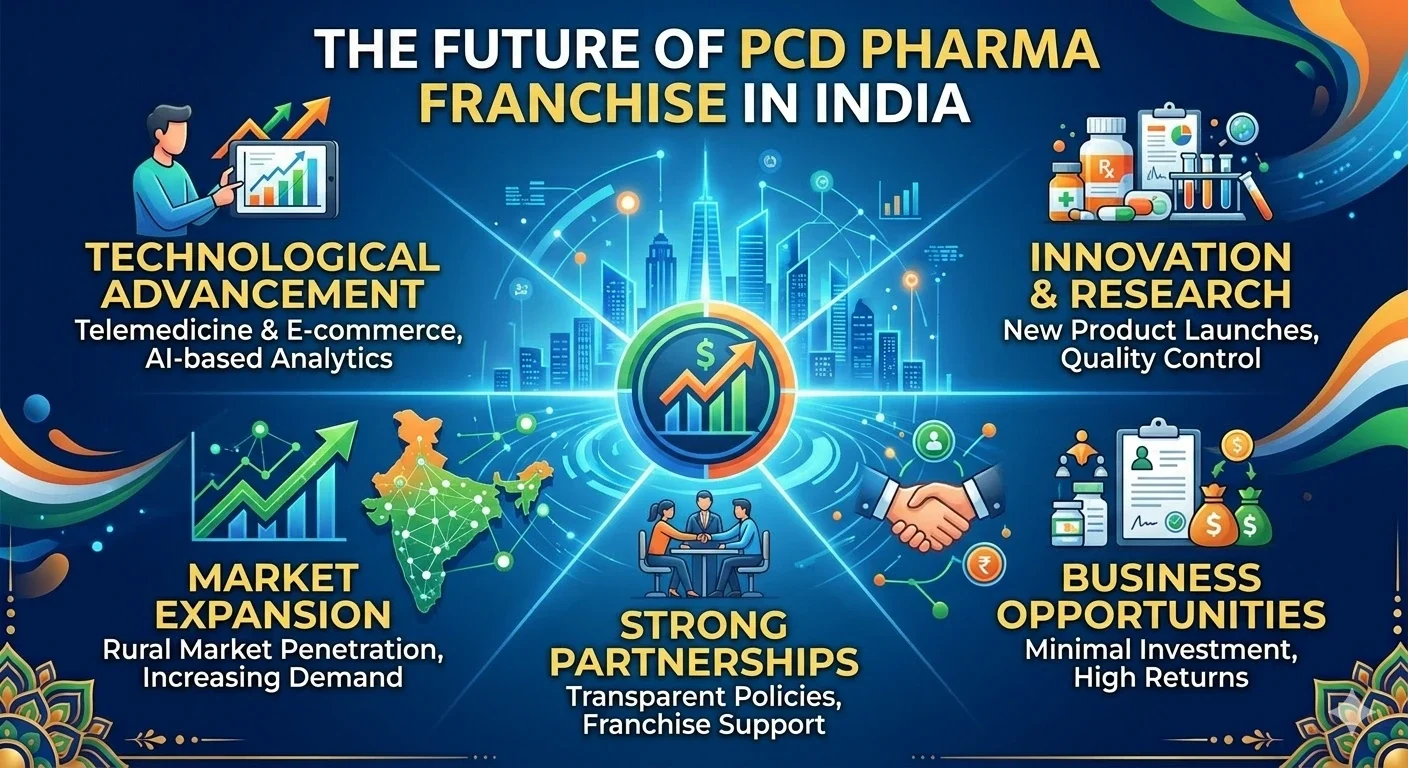
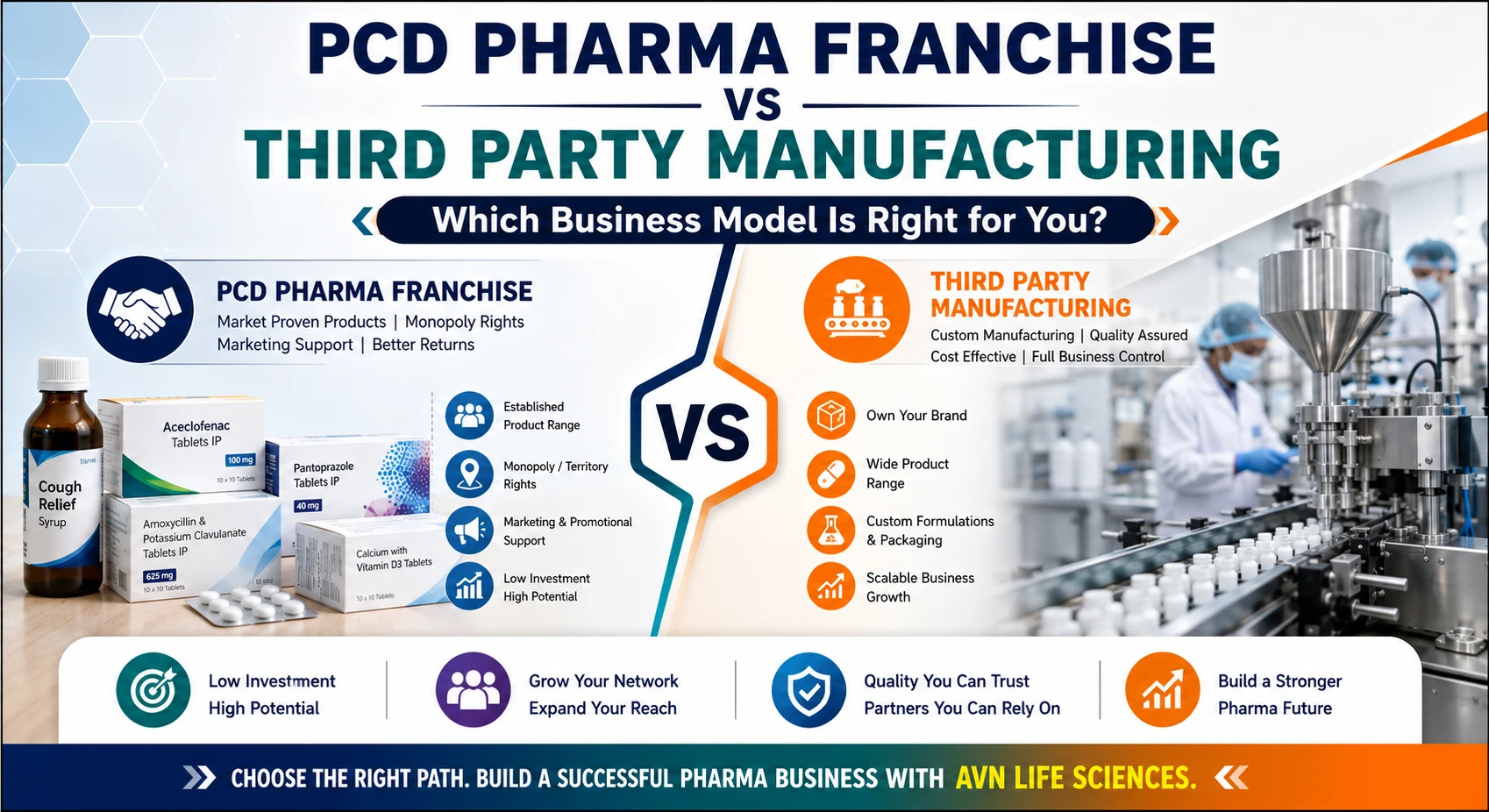
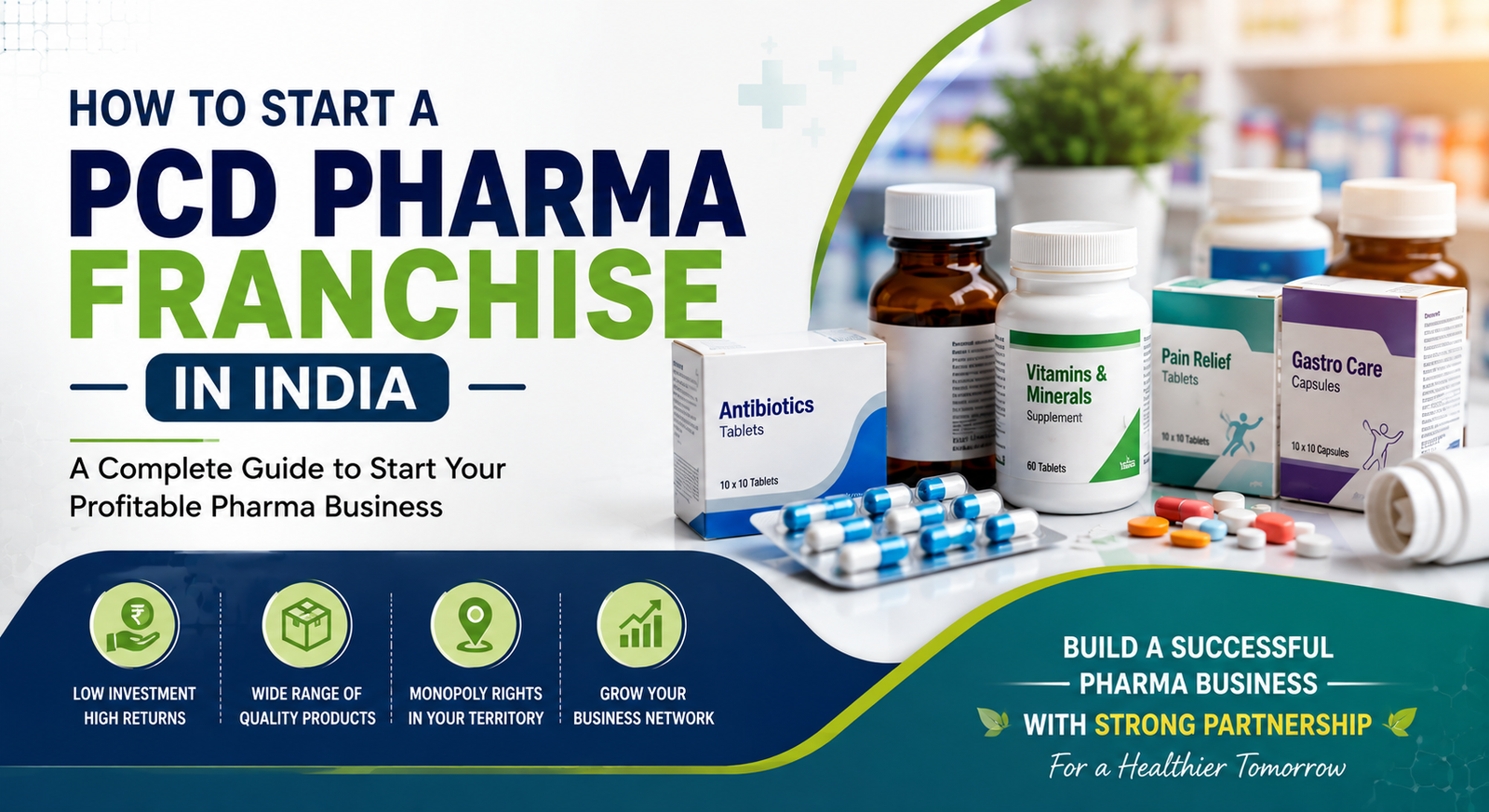
PCD Pharma Franchise Distribution
Distributors market and sell products under monopoly rights in designated regions.
Bulk Medicine Supply
Focuses on supplying medicines to hospitals, institutions, and healthcare chains.
AVN Lifesciences offers support for businesses interested in pharmaceutical wholesale distribution, bulk medicine supply, and PCD pharma franchise opportunities. Their extensive portfolio includes tablets, capsules, syrups, injections, nutraceuticals, and specialty healthcare products.
Operating legally is critical in the pharmaceutical sector.
Drug License
A Drug License is mandatory for pharmaceutical distribution.
You may require:
The license is issued by the State Drug Control Department under the Drugs and Cosmetics Act.
GST Registration
GST registration is mandatory for taxation and invoicing purposes.
Business Registration
You may register as:
FSSAI License
Required if dealing in nutraceuticals, dietary supplements, or healthcare products.
A well-organized warehouse ensures product safety and regulatory compliance.
Storage Requirements
Your facility should include:
Most state authorities require minimum storage standards before approving a drug license.
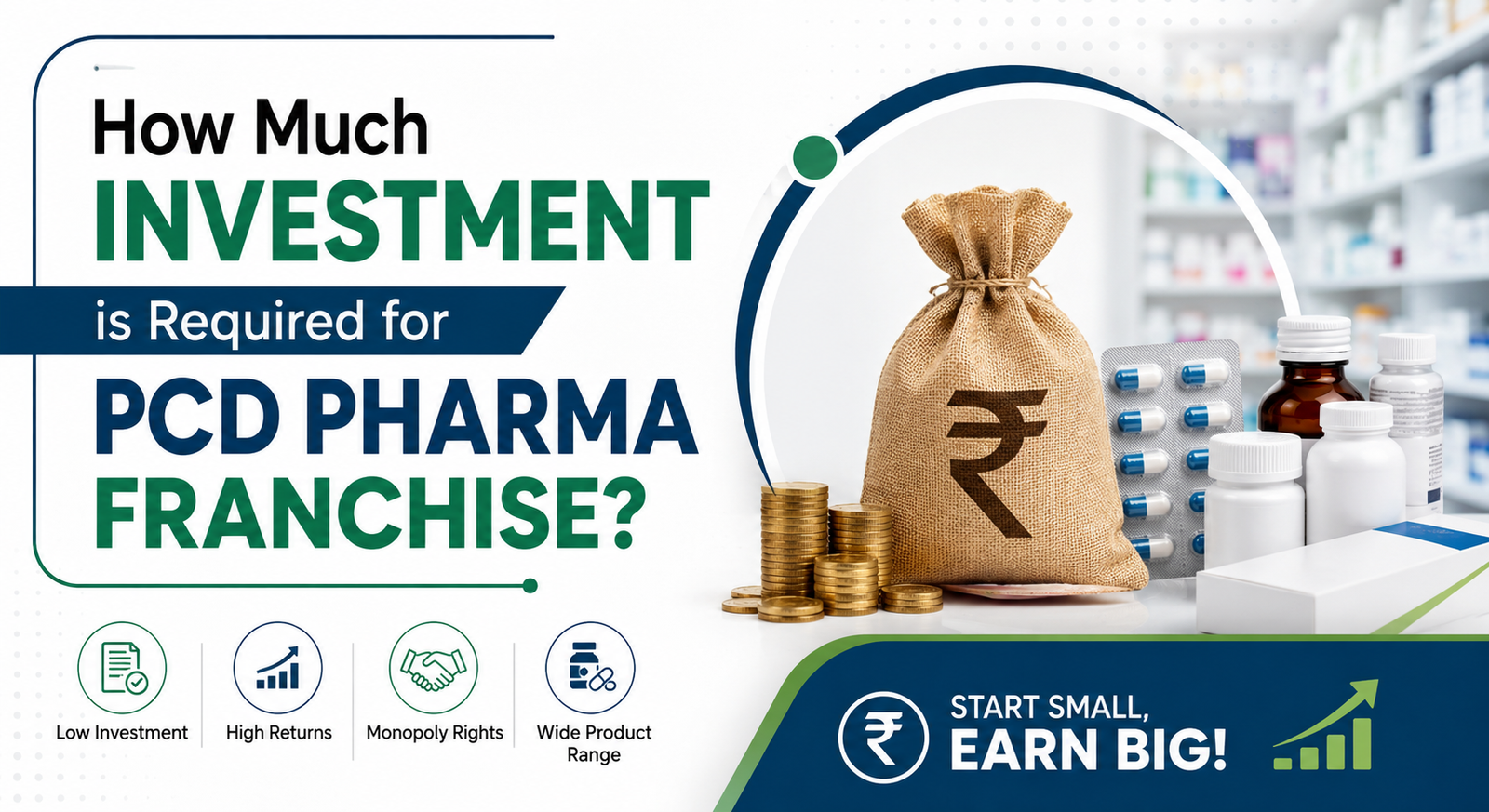
Investment depends on the scale of operations.
Typical expenses include:
|
Expense Category |
Estimated Cost |
|
Drug License & Registration |
20,000 – 1,00,000 |
|
Warehouse Setup |
2 Lakh – 3 Lakh |
|
Initial Inventory |
5 Lakh – 50 Lakh |
|
Staff & Operations |
50,000+ Monthly |
|
Technology & Billing Software |
20,000 – 25000 |
A medium-sized Pharma Distribution Business generally requires an investment of ?10 lakh to ?50 lakh.
Your supplier selection directly impacts business success.
Look for pharmaceutical companies offering:
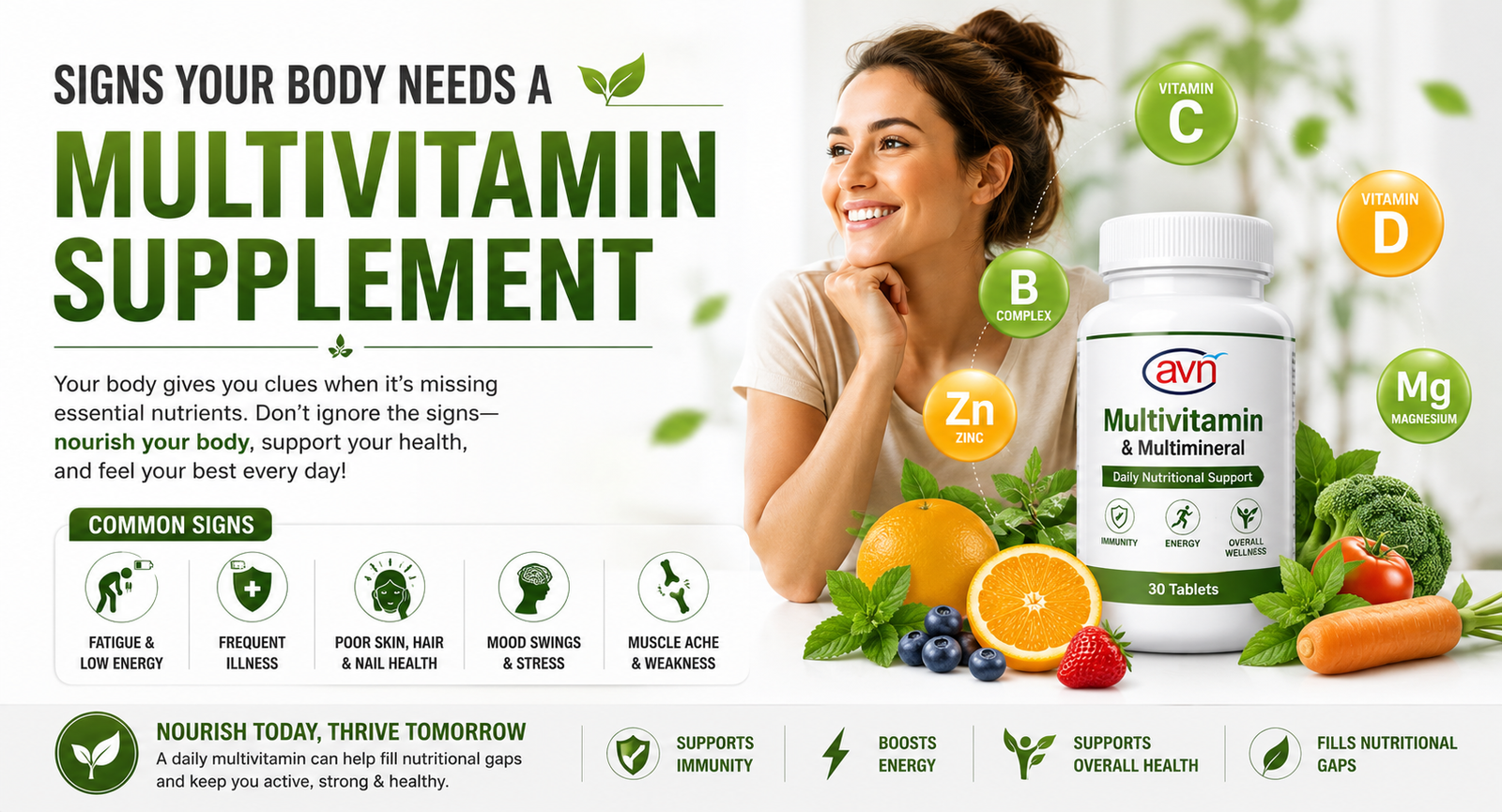
A.V.N Life Sciences provides pharmaceutical formulations across multiple therapeutic segments, including Antibiotics & Antibacterial, Gastro & PPI Range, Pain & Anti-Inflammatory, Respiratory & Anti-Allergic, Nutraceuticals, Pediatric Range, Gynecological products, Kidney Care, Women's Health, and more.
Successful distributors focus on high-demand medicine categories.
Recommended Categories
AVN lifescience Product Portfolio
These categories and services are part of AVN Lifesciences' product and service offerings.
Customer acquisition is essential for sustainable growth.
Target customers include:
Effective strategies include:
Inventory management is critical because medicines have expiry dates.
Best practices include:
Technology can significantly improve operational efficiency and reduce losses.
Maintain compliance by:
Regulatory compliance protects your business and builds trust among customers.
Profit Margin in Pharma Distribution Business
Profit margins vary by product category and manufacturer.
Typical margins include:
Profitability increases with larger order volumes and strong supplier relationships.
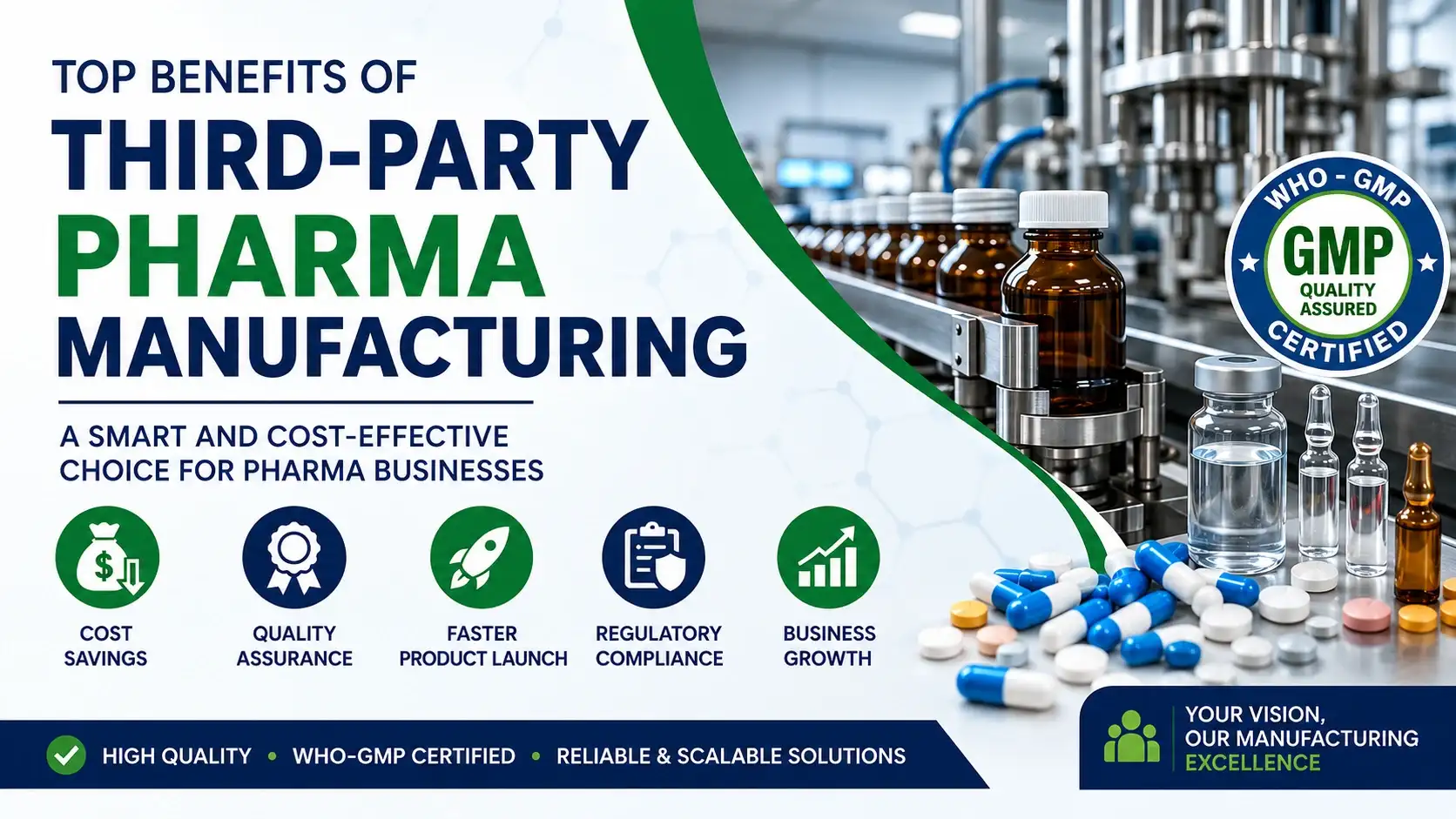
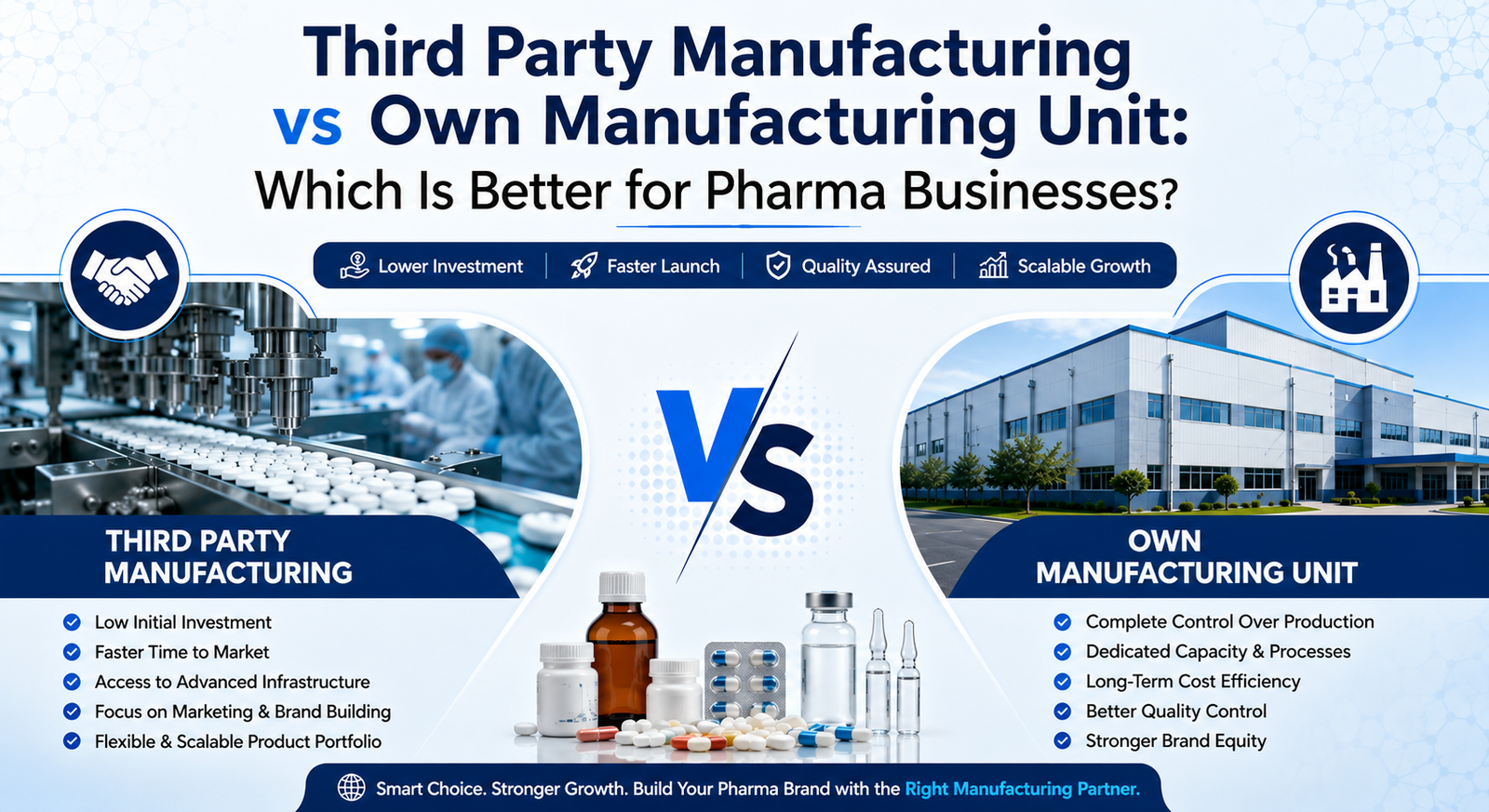
A.V.N Life Sciences is a trusted pharmaceutical company offering a comprehensive range of quality healthcare products, pharmaceutical wholesale distribution, bulk medicine supply, PCD pharma franchise opportunities, and third-party manufacturing solutions. With a diverse portfolio spanning antibiotics, nutraceuticals, pediatric care, women's health, gastro care, respiratory products, and more, we help distributors, stockists, healthcare institutions, and pharma entrepreneurs grow their businesses confidently.
Visit AVN Lifesciences to explore our product portfolio, discuss distribution opportunities, and build a long-term partnership for pharmaceutical business growth.
Discover our collection of related blogs covering expert health tips, wellness advice, and the latest updates from the pharma industry.