 Jul 23, 2026
 John Smith

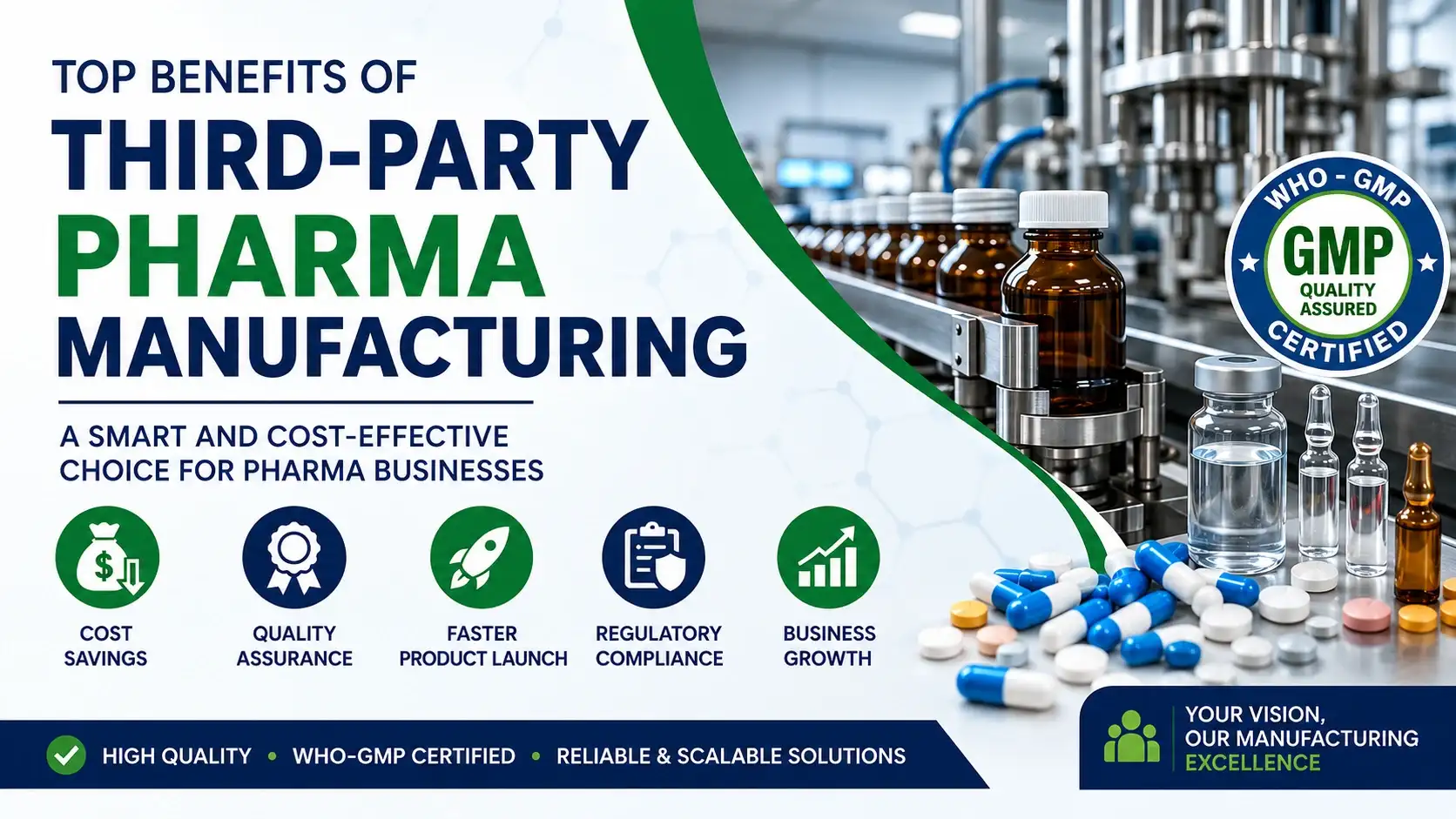
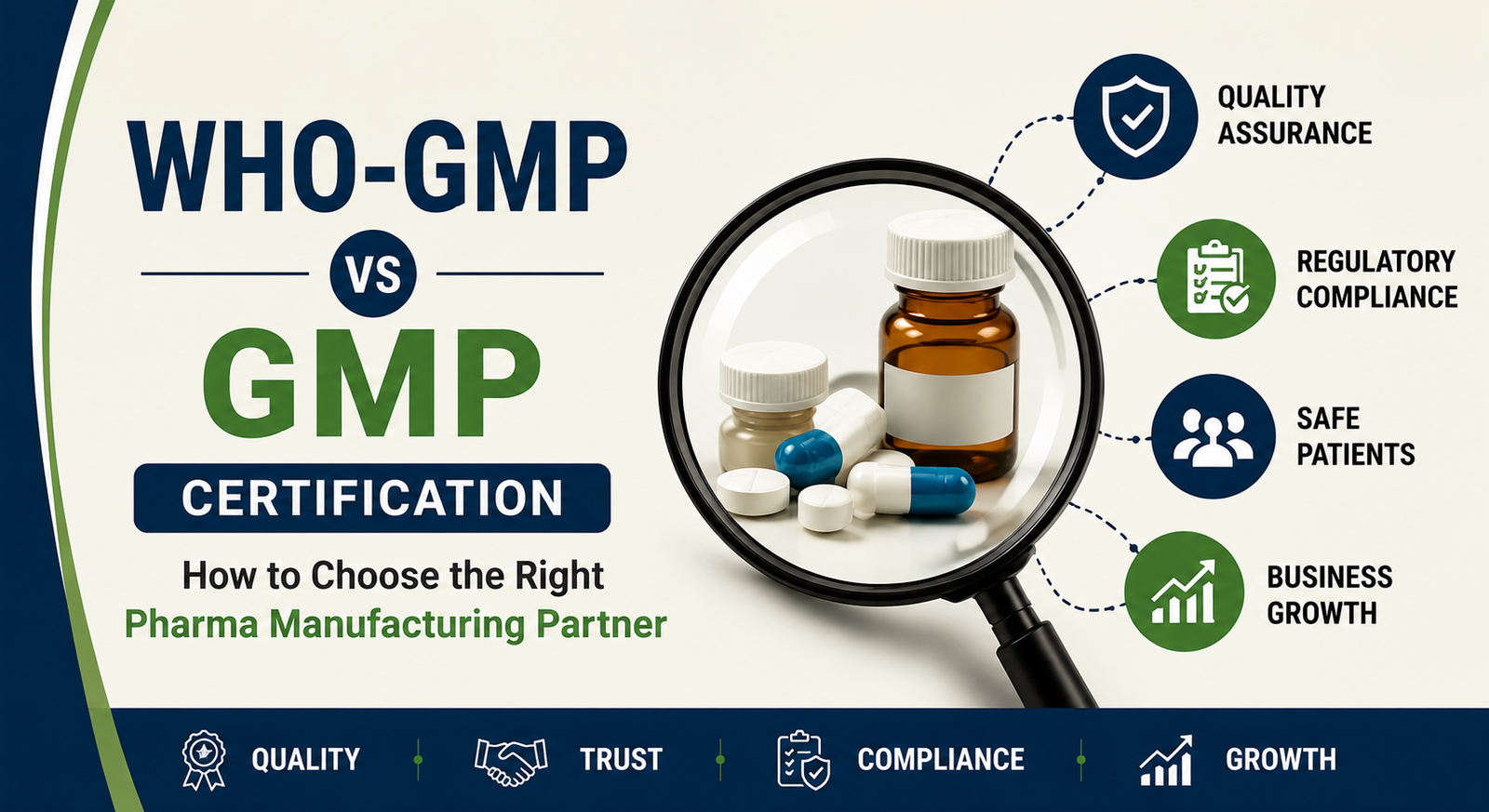
The pharmaceutical industry operates on one fundamental principle: quality cannot be compromised. Whether you are a pharma marketer, distributor, healthcare institution, or entrepreneur looking for third-party manufacturing services, understanding manufacturing certifications is essential when selecting a reliable pharmaceutical partner.
Among the most commonly discussed quality standards are GMP (Good Manufacturing Practices) and WHO-GMP (World Health Organization Good Manufacturing Practices). While these terms are often used interchangeably, they represent different levels of regulatory guidance and quality assurance.
More importantly, businesses should understand that certification alone does not determine the success of a pharmaceutical partnership. Factors such as product quality, manufacturing capabilities, regulatory compliance, and supply reliability are equally important.
In this article, we'll explore the differences between GMP and WHO-GMP certifications and discuss what businesses should look for when choosing a pharmaceutical manufacturing company.
Understanding GMP (Good Manufacturing Practices)
Good Manufacturing Practices (GMP) are a set of regulations and quality standards designed to ensure that pharmaceutical products are consistently manufactured and controlled according to established quality requirements.
GMP guidelines cover various aspects of pharmaceutical production, including:
The primary objective of GMP is to minimize manufacturing risks that cannot be detected through final product testing alone. This includes preventing contamination, product mix-ups, labelling errors, and inconsistencies in production.
In India, GMP compliance is regulated under Schedule M of the Drugs and Cosmetics Act and serves as a baseline requirement for pharmaceutical manufacturers.
What is WHO-GMP?
WHO-GMP refers to Good Manufacturing Practice guidelines established by the World Health Organization (WHO). These guidelines provide an internationally recognized framework for pharmaceutical quality management systems.
WHO-GMP standards focus on:
Many international buyers and regulatory authorities consider WHO-GMP compliance an important benchmark when assessing pharmaceutical manufacturers for global business opportunities.
WHO-GMP vs GMP: Key Differences
Although both standards aim to ensure product quality and patient safety, there are some notable distinctions.
|
Parameter |
GMP |
WHO-GMP |
|
Regulatory Basis |
National regulatory requirements |
International WHO guidelines |
|
Recognition |
Primarily domestic |
Widely accepted globally |
|
Scope |
Essential manufacturing compliance |
Broader quality management framework |
|
Documentation |
Standard compliance documentation |
More detailed validation and documentation practices |
|
Quality Systems |
Regulatory-focused |
Global best-practice focused |
|
International Business Relevance |
Varies by market |
Often preferred for export-oriented operations |
Similarities Between GMP and WHO-GMP
Despite their differences, both standards share common goals:
Ensuring Product Quality
Both GMP and WHO-GMP focus on producing pharmaceutical products that consistently meet predefined quality specifications.
Protecting Patient Safety
Patient safety remains the primary objective behind every quality standard in pharmaceutical manufacturing.
Standardized Manufacturing Processes
Both frameworks require documented processes, quality controls, and operational consistency.
Employee Training
Personnel must be trained to perform their responsibilities effectively and follow established procedures.
Proper Documentation
Accurate documentation is essential for traceability, compliance, and continuous improvement.
Why Certifications Alone Should Not Drive Your Decision
Many pharmaceutical businesses make the mistake of evaluating manufacturing partners solely based on certifications. While certifications are important indicators of quality systems, they represent only one aspect of a successful manufacturing partnership.
When selecting a pharmaceutical manufacturer, businesses should also consider:
Manufacturing Infrastructure
A well-maintained facility with modern equipment helps ensure product consistency and operational efficiency.
Product Portfolio
A broad product range enables businesses to meet diverse market demands and expand their offerings without managing multiple suppliers.
Quality Assurance Systems
Strong quality control procedures, batch testing, and regulatory compliance practices contribute significantly to product reliability.
Supply Chain Reliability
Consistent product availability and timely deliveries are critical for maintaining customer trust and business growth.
Industry Experience
A manufacturer's track record often provides valuable insight into their operational capabilities and commitment to quality.
How AVN Life Sciences Supports Pharma Businesses
At AVN Life Sciences, we understand that pharmaceutical success depends on more than compliance alone. Healthcare businesses require a dependable partner capable of delivering quality products, consistent supply, and professional support.
Our approach focuses on:
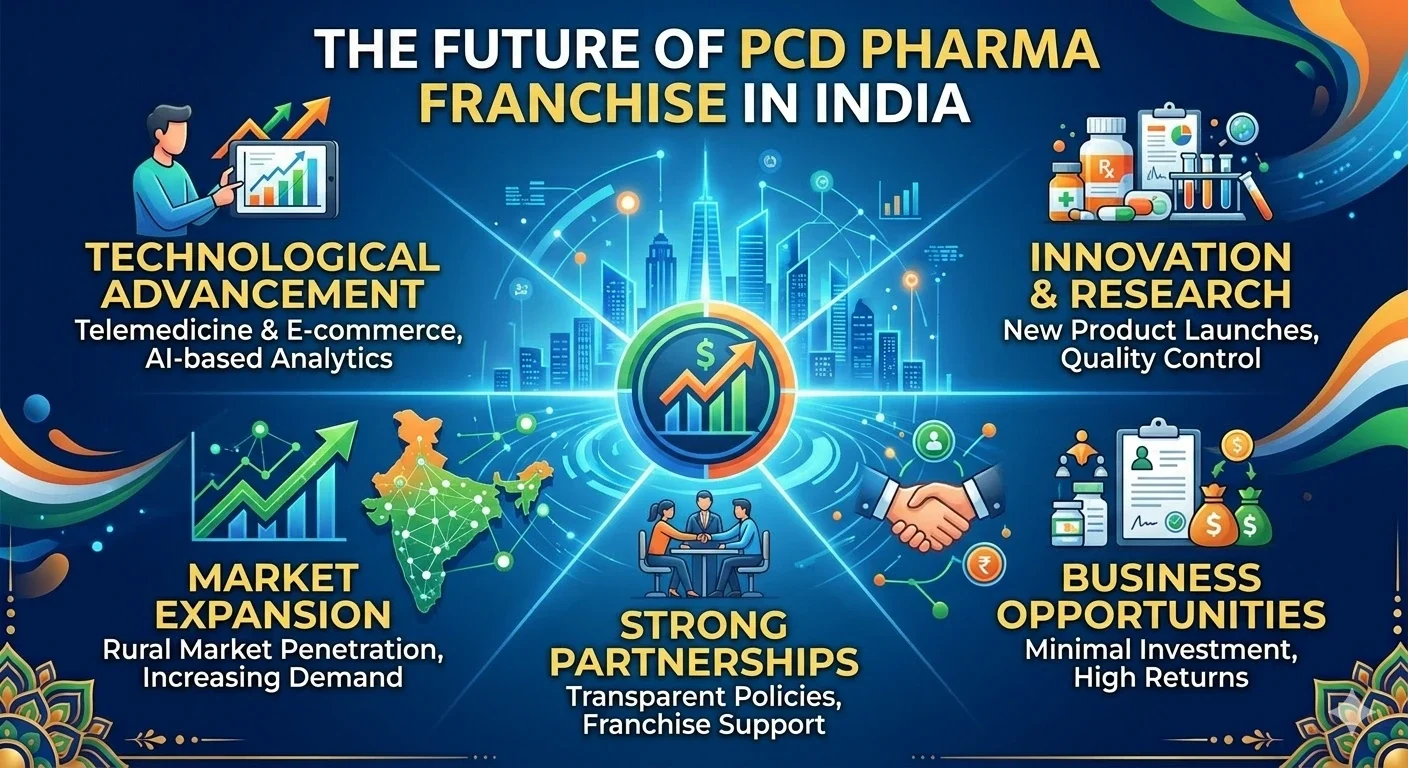
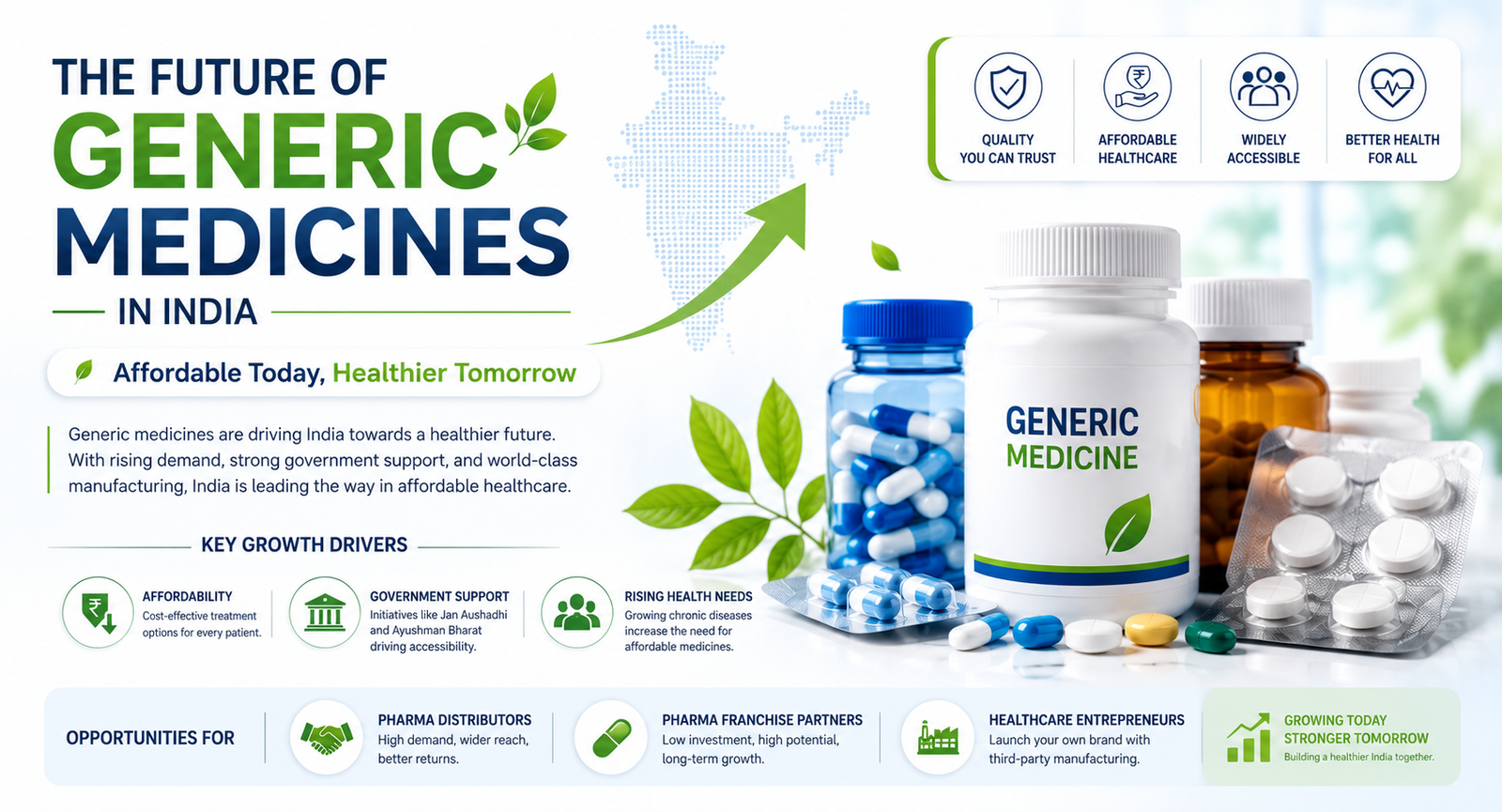
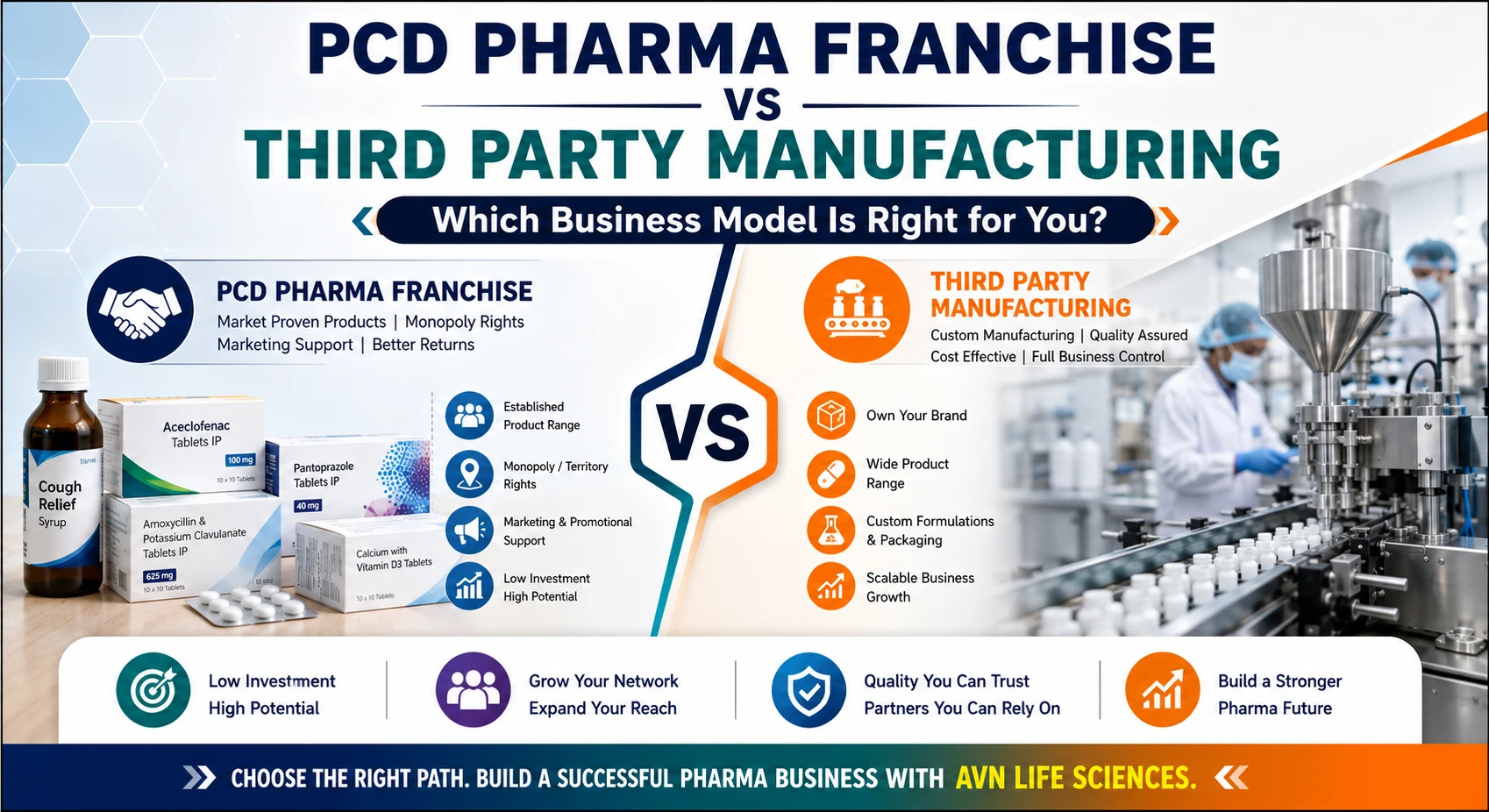
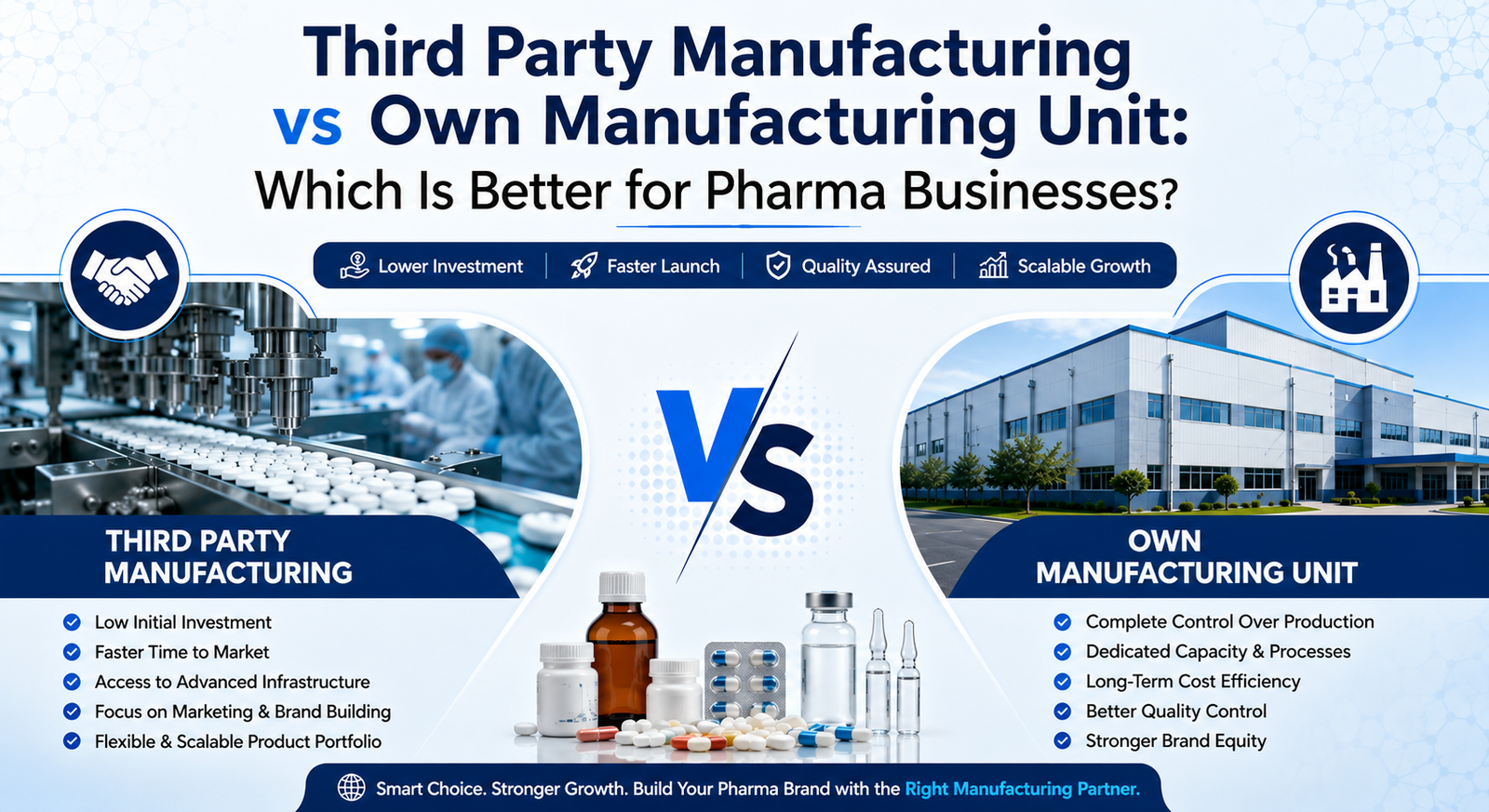
Whether you are looking for third-party manufacturing support, expanding your pharmaceutical distribution network, or exploring PCD pharma franchise opportunities, choosing a partner with a strong commitment to quality and reliability is essential.
Partner with AVN Life Sciences
Looking for a trusted pharmaceutical company to support your business growth? Explore the extensive product portfolio, third-party manufacturing solutions, and pharma franchise opportunities available at AVN Life Sciences. Our commitment to quality, reliability, and customer satisfaction makes us a preferred partner for pharmaceutical businesses across India.
CONTACT AVN lifescience Today.
Discover our collection of related blogs covering expert health tips, wellness advice, and the latest updates from the pharma industry.