 Jun 30, 2026
 John Smith

Is Your Body Trying to Tell You Something?
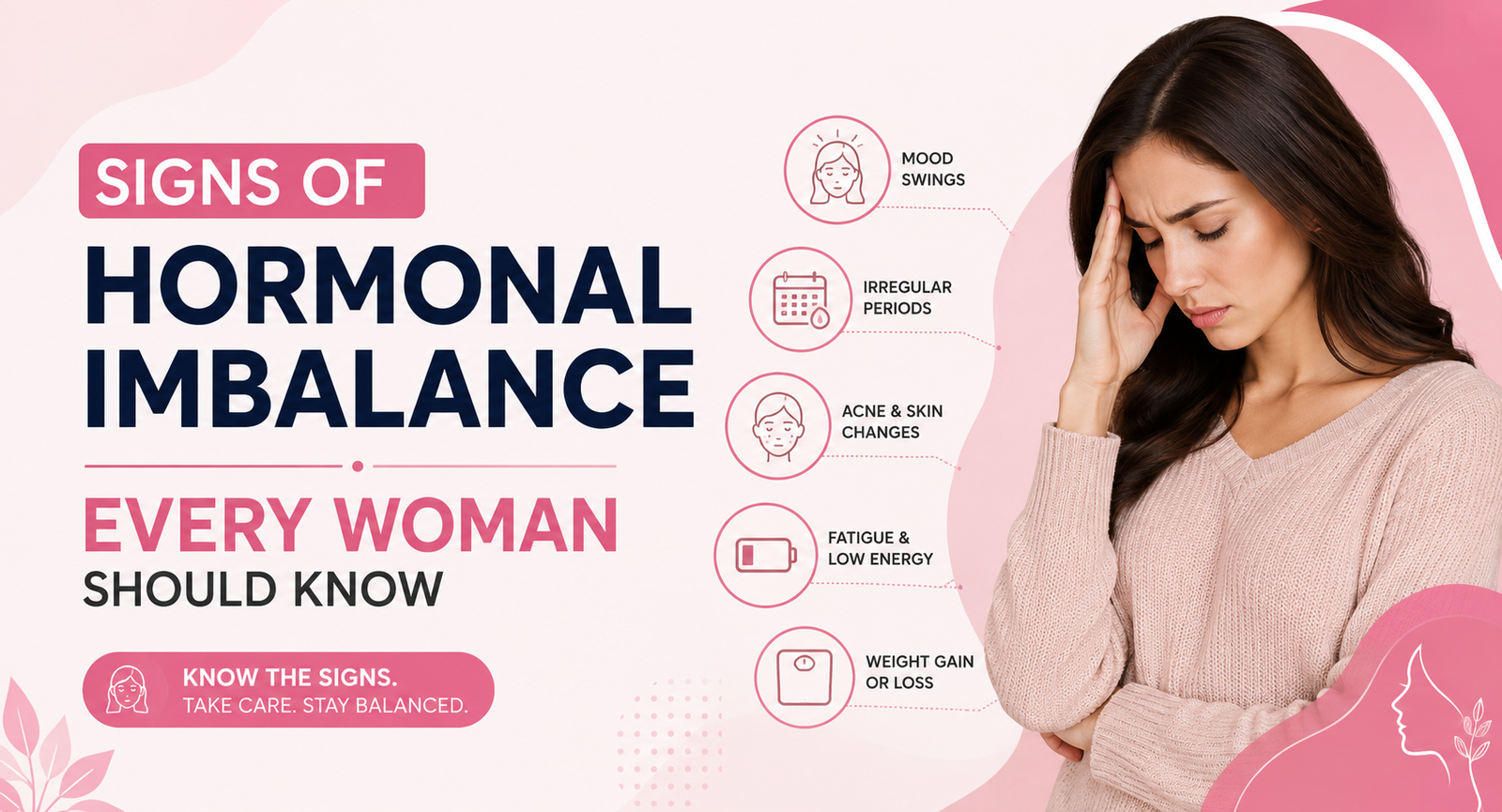
Have you been feeling unusually tired, experiencing irregular periods, struggling with stubborn acne, or noticing sudden mood swings? While these symptoms may seem unrelated, they could all point to one common cause - hormonal imbalance.
Hormones are your body's chemical messengers. They regulate almost every important function, including your menstrual cycle, metabolism, sleep, mood, fertility, skin health, and energy levels. Even a small fluctuation in hormone levels can affect your overall well-being.
Many women ignore the early warning signs, assuming they are a normal part of aging, stress, or a busy lifestyle. However, recognizing these symptoms early can help you seek timely medical advice and make healthier lifestyle choices.
In this guide, we'll explore the most common signs of hormonal imbalance in women, its causes, diagnosis, treatment options, and simple ways to support hormonal health naturally.
Hormonal imbalance occurs when the body produces too much or too little of certain hormones such as estrogen, progesterone, thyroid hormones, insulin, or cortisol. Since hormones work together, an imbalance in one can affect many other body functions.
Hormonal fluctuations are common during puberty, pregnancy, breastfeeding, and menopause. However, persistent symptoms should never be ignored.
1. Irregular Menstrual Cycles
One of the earliest and most noticeable signs of hormonal imbalance is changes in your menstrual cycle.
You may experience:
Irregular periods can be associated with conditions such as PCOS, thyroid disorders, stress, or changes in estrogen and progesterone levels.
2. Persistent Fatigue
Feeling exhausted despite getting enough sleep could indicate an underlying hormonal issue.
Persistent fatigue deserves medical evaluation, especially if it affects your daily life.
3. Sudden Weight Gain or Difficulty Losing Weight
Unexpected weight gain without major dietary changes is another common symptom.
Hormones involved include:
Maintaining a balanced diet and regular physical activity is important, but medical assessment may be needed if weight changes are unexplained.
4. Acne That Doesn't Go Away
Hormonal acne usually appears around the:
It often worsens before menstruation due to fluctuations in androgen hormones.
5. Mood Swings, Anxiety, and Irritability
If you're experiencing frequent emotional ups and downs, hormones may be playing a role.
Changes in estrogen and progesterone can influence brain chemicals responsible for mood regulation.
Symptoms may include:
6. Hair Loss or Excessive Hair Growth
Hormonal changes may lead to:
These symptoms are commonly seen in women with PCOS or thyroid disorders.
7. Poor Sleep Quality
Difficulty falling asleep or staying asleep may result from hormonal fluctuations affecting melatonin, progesterone, or cortisol.
Lack of quality sleep can further worsen hormonal imbalance, creating a cycle that's difficult to break.
8. Low Energy and Reduced Stamina
Hormonal imbalance can reduce your body's ability to efficiently produce and use energy.
Women often report:
9. Low Libido
A noticeable decline in sexual desire may be linked to changes in estrogen, progesterone, or testosterone levels.
Hormonal health is closely connected to emotional well-being, energy, and intimate health.
10. Frequent Headaches or Migraines
Some women experience headaches related to hormonal fluctuations, especially before or during menstruation.
Tracking headache patterns alongside your menstrual cycle can help your healthcare provider identify potential hormonal triggers.
What Causes Hormonal Imbalance?
Several factors can contribute to hormonal imbalance, including:
Understanding the underlying cause is essential for effective management.
Tips to Support Hormonal Health Naturally
While treatment depends on the underlying cause, healthy lifestyle habits can support overall hormonal wellness:
Eat a Balanced Diet
Stay Physically Active
Aim for at least 30 minutes of moderate exercise most days of the week.
Manage Stress
Practices such as meditation, deep breathing, yoga, and spending time outdoors can help reduce stress.
Prioritize Sleep
Adults generally benefit from 7-9 hours of quality sleep each night.
Stay Hydrated
Adequate water intake supports overall health and normal body functions.
Women experiencing menstrual discomfort, general weakness during menstruation, or concerns about reproductive wellness may benefit from discussing supportive healthcare options with their doctor.
AVN Lifesciences offers Mensocordial, a women's health formulation designed to support menstrual wellness, uterine health, and overall female well-being as part of a healthcare professional's recommended care plan.
Explore Mensocordial here: avnlifesciences.com/product-details/mensocordial
Note: Mensocordial should be used only under the advice of a qualified healthcare professional. It is not intended to diagnose, treat, cure, or prevent any disease.
Discover our collection of related blogs covering expert health tips, wellness advice, and the latest updates from the pharma industry.