 Jul 01, 2026
 John Smith

Is Your Lifestyle Increasing Your Risk of Kidney Stones?
A sudden, sharp pain in your back or side can be more than just a muscle strain—it could be a kidney stone. Kidney stones are one of the most common urinary tract disorders worldwide, affecting millions of people every year. They can range from tiny crystals that pass unnoticed to larger stones that cause severe pain, urinary problems, and even complications if left untreated.
The good news? Many kidney stones develop due to lifestyle and dietary habits that you can change. Understanding the causes and making simple adjustments can significantly reduce your risk of developing them.
In this guide, we'll explain what causes kidney stones, the seven triggers you can control, the different types of kidney stones, prevention strategies, and how supportive kidney care products such as Estton Tablets by AVN Lifesciences may complement a healthcare professional's advice.
What Are Kidney Stones?
Kidney stones are hard deposits made of minerals and salts that form inside the kidneys. Normally, urine contains substances that prevent crystal formation. However, when urine becomes highly concentrated or contains excessive amounts of certain minerals, crystals begin to form and gradually combine into stones.
Kidney stones can vary in size—from as small as a grain of sand to as large as a golf ball. Small stones may pass through the urinary tract naturally, while larger stones can block urine flow and require medical treatment.
Common Symptoms of Kidney Stones
Not every kidney stone causes symptoms immediately. Problems usually begin when a stone moves within the kidney or enters the ureter.
Common symptoms include:
If you experience severe pain, fever, or difficulty passing urine, seek medical attention promptly.
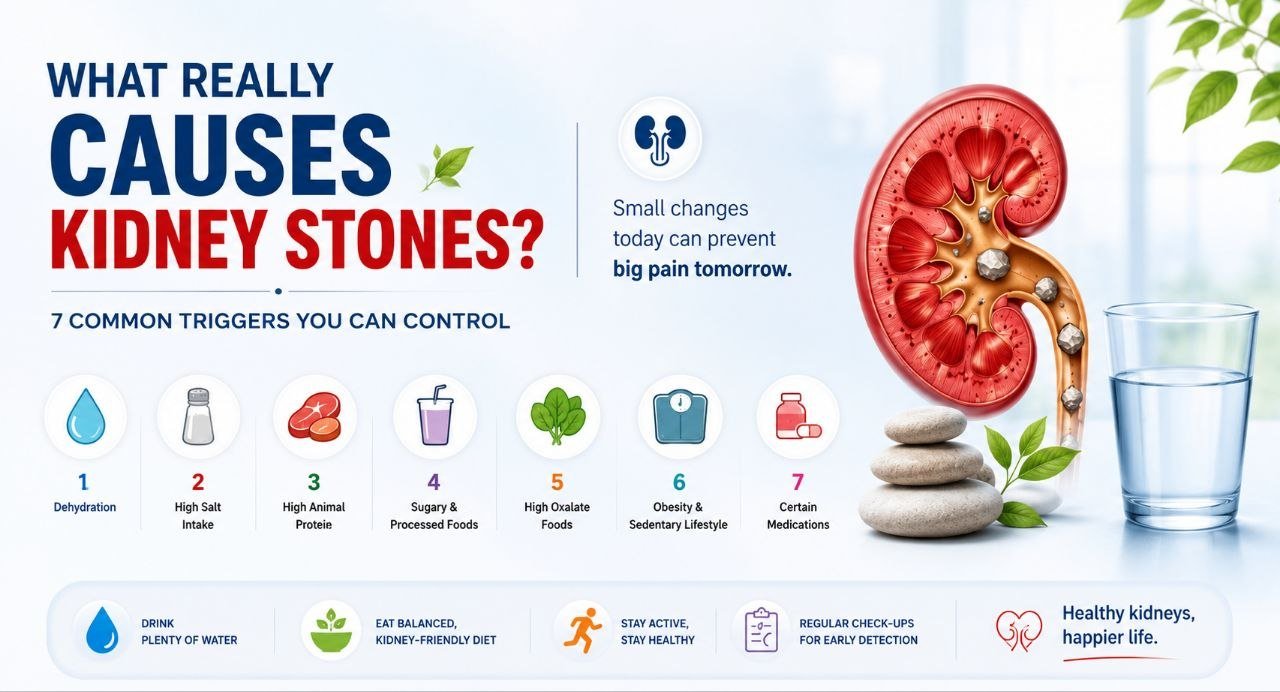
7 Common Triggers That Cause Kidney Stones
1. Not Drinking Enough Water
Dehydration is one of the leading causes of kidney stones.
When you don't drink enough fluids, your urine becomes concentrated. This allows minerals such as calcium, oxalate, and uric acid to crystallize and form stones.
How to reduce your risk:
2. Eating Too Much Salt
A diet high in sodium increases the amount of calcium excreted in urine. Higher urinary calcium levels increase the risk of calcium stone formation.
Foods high in sodium include:
Tip
Reduce salt intake and choose fresh, home-cooked meals whenever possible.
3. Excess Animal Protein
Frequent consumption of red meat, organ meats, and certain seafood can increase uric acid levels and make urine more acidic.
This creates favorable conditions for both uric acid stones and calcium stones.
Consider balancing your diet with:
4. Too Many Oxalate-Rich Foods Without Balance
Oxalate naturally occurs in many healthy foods. Problems arise when large amounts of oxalate combine with calcium in urine.
Examples include:
These foods don't necessarily need to be avoided entirely, but they should be eaten in moderation as advised by your healthcare provider.
5. Obesity and Sedentary Lifestyle
Being overweight changes the body's metabolism and increases the risk of kidney stones.
Lack of exercise may also contribute to poor kidney health and altered calcium metabolism.
Simple lifestyle habits such as daily walking and maintaining a healthy weight can make a significant difference.
6. Certain Medical Conditions
Some health conditions increase the likelihood of kidney stone formation, including:
Managing these conditions under medical supervision may help lower the risk of stone recurrence.
7. Family History and Genetics
If one or more close family members have had kidney stones, your own risk may be higher.
While genetics cannot be changed, healthy lifestyle choices can help reduce your overall risk.
Additional Risk Factors
Besides the common triggers above, other factors that may contribute include:
Understanding these risk factors can help you make informed decisions to protect your kidney health.
A doctor may recommend:
Early diagnosis helps determine the type of stone and the most appropriate treatment.
Tips to Prevent Kidney Stones Naturally
Although not every kidney stone can be prevented, healthy habits can significantly lower your risk.
Stay Well Hydrated
Water dilutes urine and helps prevent crystal formation.
Eat a Balanced Diet
Include:
Limit excessive sodium and processed foods.
Exercise Regularly
Regular physical activity supports overall metabolic health and may reduce the risk of stone formation.
Don't Ignore Urinary Symptoms
Painful urination, blood in urine, or recurrent urinary infections should always be evaluated by a healthcare professional.
Follow Medical Advice
If you've had kidney stones before, follow your doctor's dietary and treatment recommendations to reduce the risk of recurrence.
Supporting Kidney Wellness with Estton Tablets
Maintaining kidney health involves proper hydration, a balanced diet, regular exercise, and timely medical care. Some individuals may also benefit from supportive kidney wellness formulations when recommended by a healthcare professional.
Estton Tablets by AVN Lifesciences are formulated to support urinary tract and kidney wellness. They are intended to complement an overall kidney care routine and may be considered as part of a healthcare provider's recommendations for maintaining urinary health.
Potential supportive benefits include:
Learn more about Estton Tablets:
https://www.avnlifesciences.com/product-details/estton
Important: Estton Tablets are not a substitute for medical treatment. Anyone experiencing severe pain, fever, blood in the urine, or symptoms of kidney stones should seek prompt evaluation by a qualified healthcare professional.
AVN Lifesciences is committed to providing quality pharmaceutical and nutraceutical solutions across multiple therapeutic categories. Our portfolio includes tablets, capsules, syrups, injections, and nutraceutical formulations manufactured with a focus on quality, consistency, and customer satisfaction.
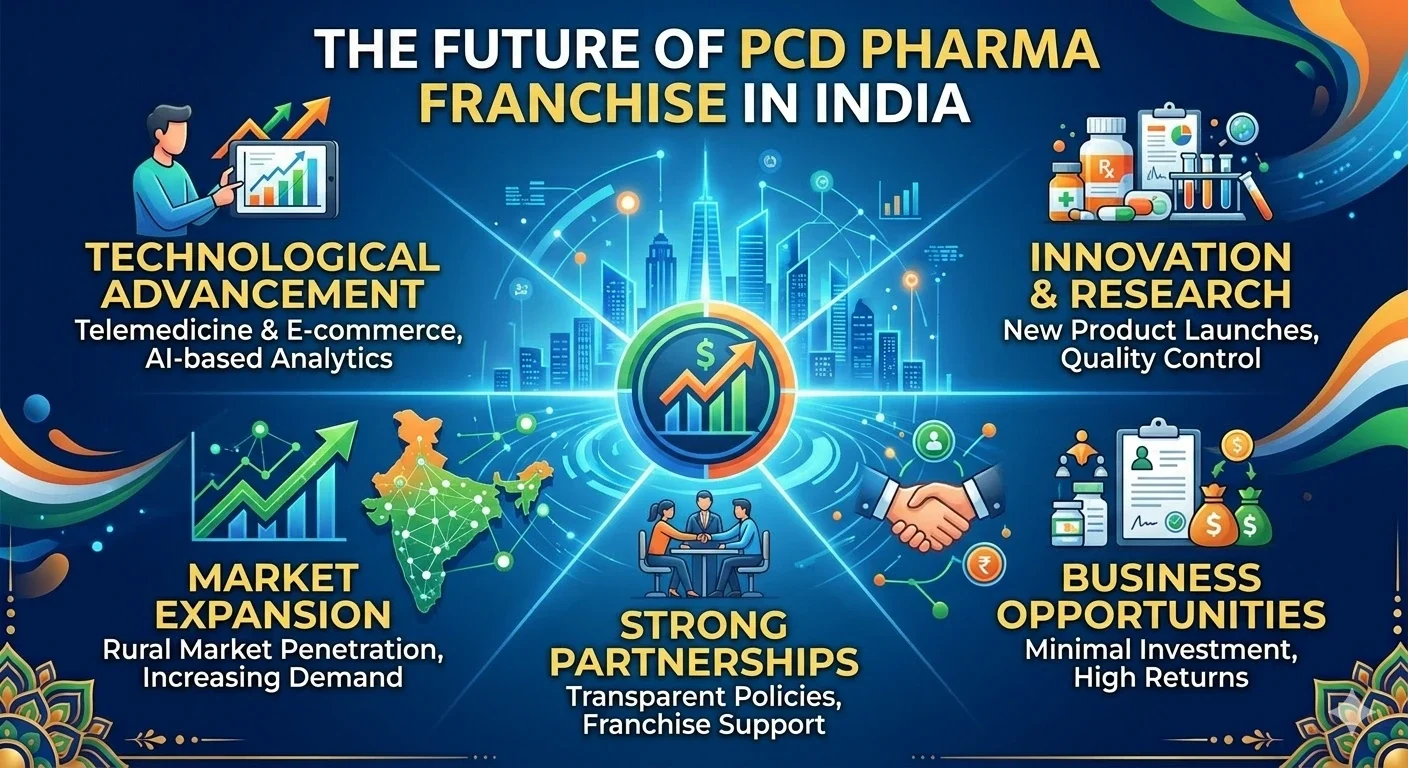
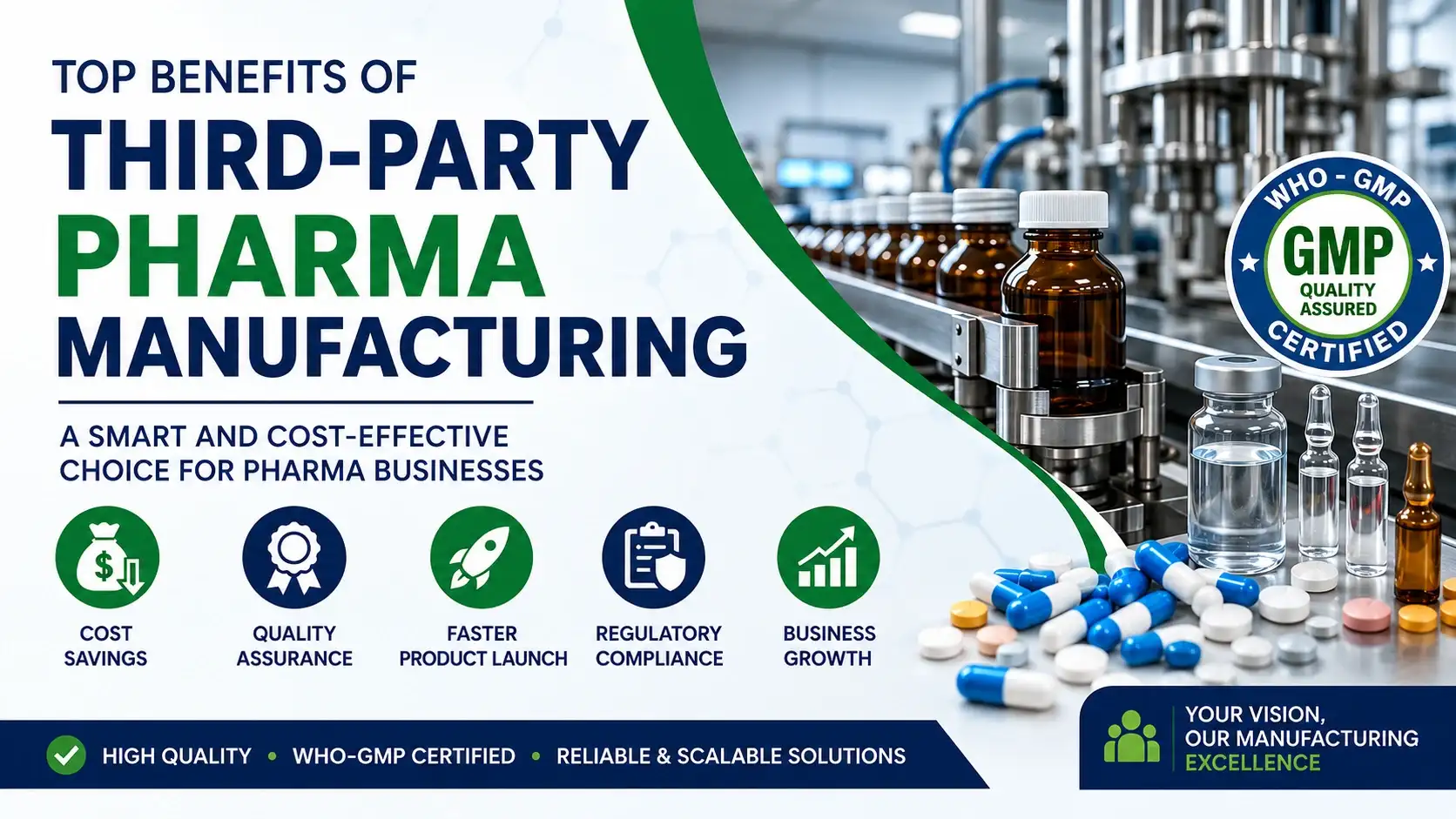
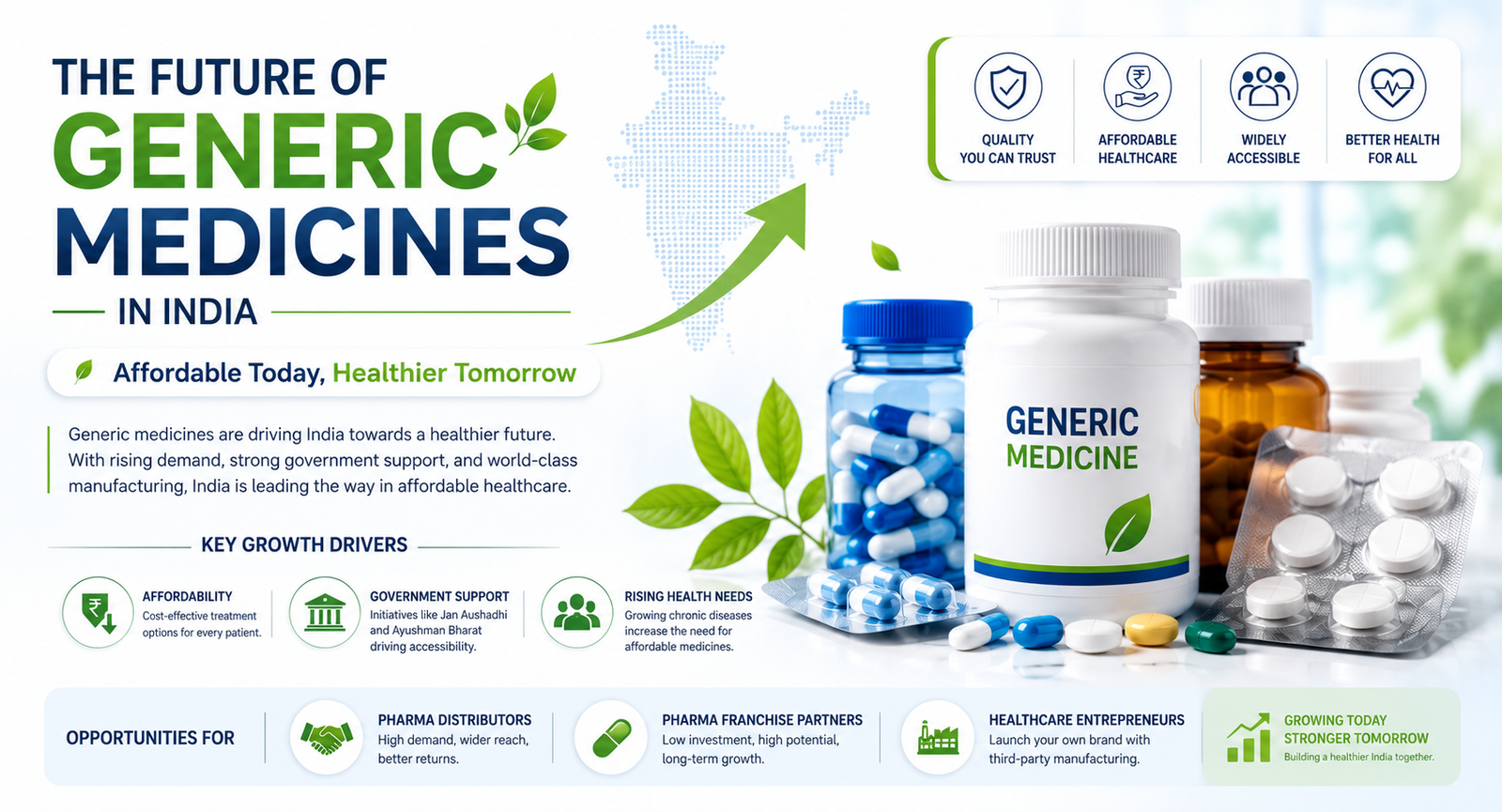
Whether you are looking for PCD Pharma Franchise opportunities, Third Party Manufacturing, or a trusted supplier of nutraceutical products, AVN Lifesciences offers comprehensive healthcare solutions backed by modern manufacturing practices.
Discover our collection of related blogs covering expert health tips, wellness advice, and the latest updates from the pharma industry.