 Aug 03, 2026
 John Smith

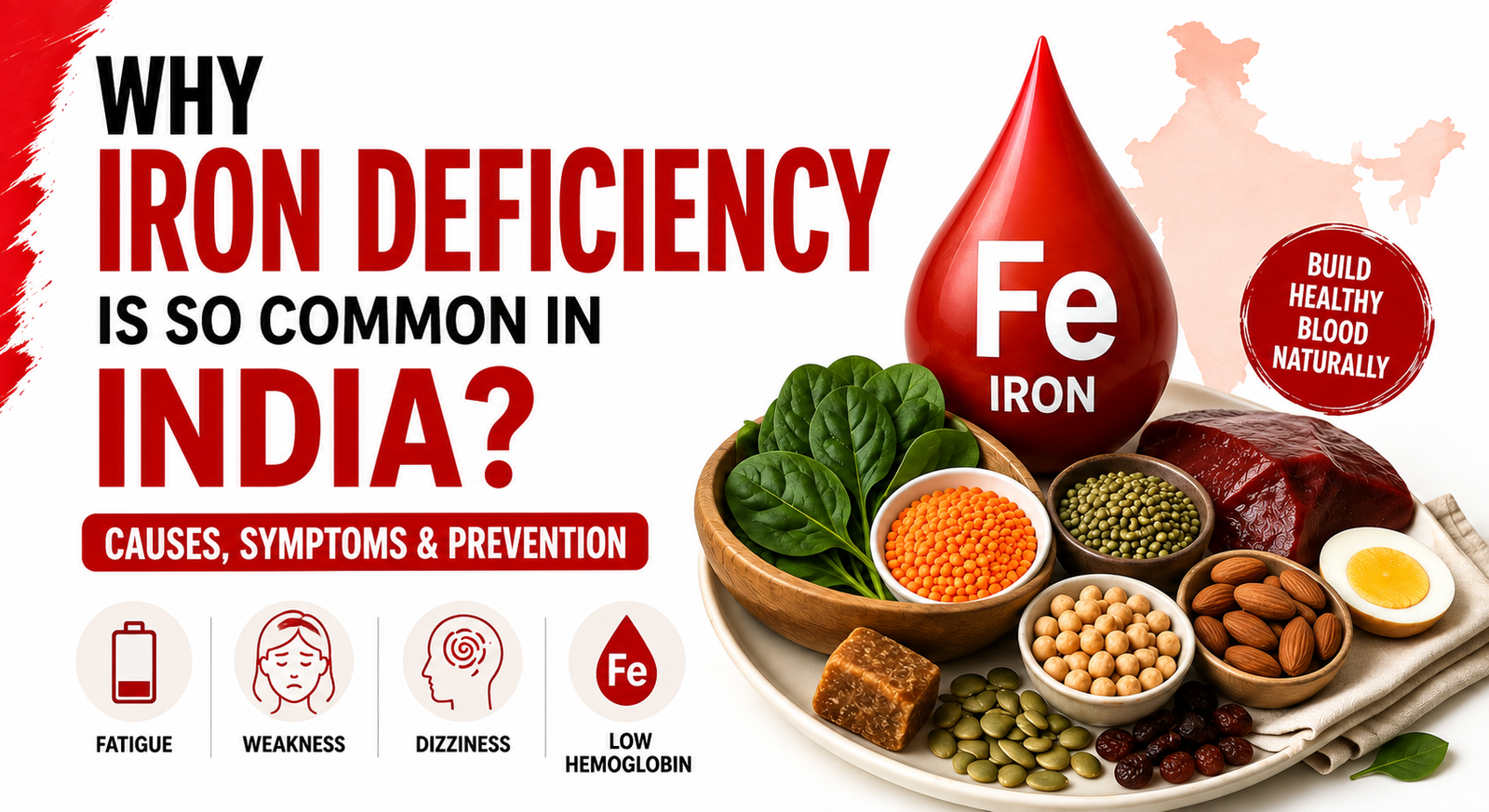
Despite significant advancements in healthcare and nutrition awareness, iron deficiency remains one of the most common nutritional deficiencies in India. It affects people across different age groups, from children and adolescents to pregnant women and working adults.
Many individuals experience fatigue, weakness, dizziness, reduced concentration, or frequent illness without realizing that low iron levels may be the underlying cause. Since iron plays a critical role in producing hemoglobin—the protein responsible for carrying oxygen throughout the body—even a mild deficiency can impact daily health and productivity.
But why is iron deficiency so widespread in India? Understanding the reasons can help individuals take preventive measures and maintain healthy iron levels.
Why Is Iron Important?
Iron is an essential mineral that helps the body produce hemoglobin and myoglobin, proteins responsible for transporting oxygen in the blood and muscles.
Adequate iron levels support:
When the body does not receive enough iron, it can gradually lead to iron deficiency and, in severe cases, iron deficiency anemia.
1. Iron-Rich Foods Are Often Missing from Daily Diets
One of the biggest reasons for iron deficiency in India is inadequate dietary intake.
Many Indian diets are heavily dependent on cereals and carbohydrates, while iron-rich foods may not be consumed regularly. Foods such as leafy green vegetables, legumes, beans, nuts, seeds, jaggery, meat, fish, and eggs are valuable sources of iron, yet their consumption may vary significantly depending on dietary habits and socioeconomic factors.
Even individuals who eat sufficient calories may not necessarily receive enough iron.
2. Vegetarian Diets Can Reduce Iron Absorption
India has one of the largest vegetarian populations in the world. While vegetarian diets can be healthy and nutritious, plant-based iron (non-heme iron) is generally absorbed less efficiently by the body than iron obtained from animal sources.
In addition, compounds naturally present in tea, coffee, and certain grains may further reduce iron absorption when consumed around meal times.
This is why healthcare professionals often recommend combining iron-rich foods with Vitamin C-rich foods such as oranges, lemons, amla, guava, and tomatoes to improve absorption.
3. Increased Iron Requirements in Women
Women are particularly vulnerable to iron deficiency because of regular menstrual blood loss.
Iron requirements increase further during:
As a result, women often require additional nutritional support to maintain healthy hemoglobin levels and meet increased physiological demands.
4. Rapid Growth in Children and Teenagers
Children and adolescents experience rapid physical growth, which increases their nutritional requirements.
If dietary intake does not keep pace with growth demands, iron stores may gradually decline. This can affect concentration, learning ability, physical performance, and overall development.
Parents are increasingly becoming aware of the importance of balanced nutrition during these critical growth years.
5. Poor Nutrient Absorption
In some individuals, iron deficiency may occur even when dietary intake appears adequate.
Certain digestive conditions, infections, and gastrointestinal disorders can affect the body's ability to absorb nutrients efficiently. Long-term nutritional imbalances may eventually result in reduced iron stores and low hemoglobin levels.
Common Signs of Iron Deficiency
Iron deficiency often develops gradually, making it easy to overlook early symptoms.
Common warning signs include:
If these symptoms persist, medical evaluation may help identify underlying nutritional deficiencies.
How to Improve Iron Levels Naturally
Maintaining healthy iron levels usually requires a combination of dietary improvements and nutritional support.
Include More Iron-Rich Foods
Consider incorporating:
Increase Vitamin C Intake
Vitamin C helps improve iron absorption. Good sources include:
Avoid Tea and Coffee Around Meals
Tea and coffee contain compounds that may interfere with iron absorption. Consuming them between meals rather than immediately after eating may be beneficial.
Support Your Daily Iron Intake with the Right Nutrition
Maintaining healthy iron levels starts with a balanced diet and consistent nutritional support. If your daily routine, dietary habits, or increased nutritional needs make it difficult to meet your iron requirements, choosing a quality iron supplement can help bridge the gap.
Explore AVN Life Sciences' range of nutritional supplements designed to support overall wellness and help you stay active, energized, and healthy every day.
Discover Our Nutritional Wellness Range Today
Conclusion
Iron deficiency continues to be one of the most common nutritional concerns in India due to dietary habits, increased nutritional requirements, absorption challenges, and lifestyle factors.
The good news is that it can often be addressed through a combination of iron-rich foods, improved dietary practices, and appropriate nutritional support when required.
By understanding the causes and recognizing the early signs, individuals can take proactive steps toward maintaining healthy iron levels, supporting hemoglobin production, and improving overall well-being.
Discover our collection of related blogs covering expert health tips, wellness advice, and the latest updates from the pharma industry.