 Sep 04, 2026
 John Smith

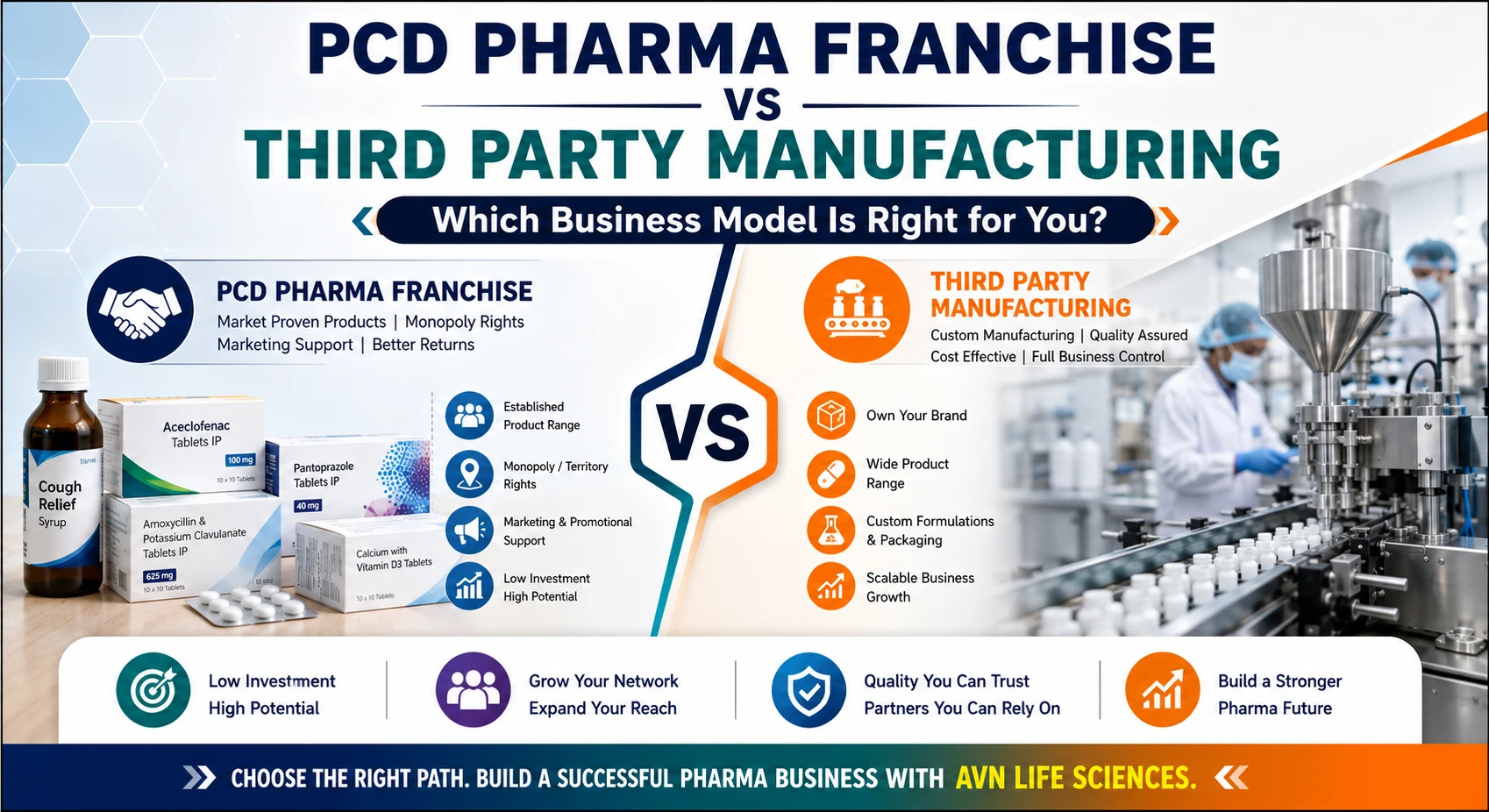
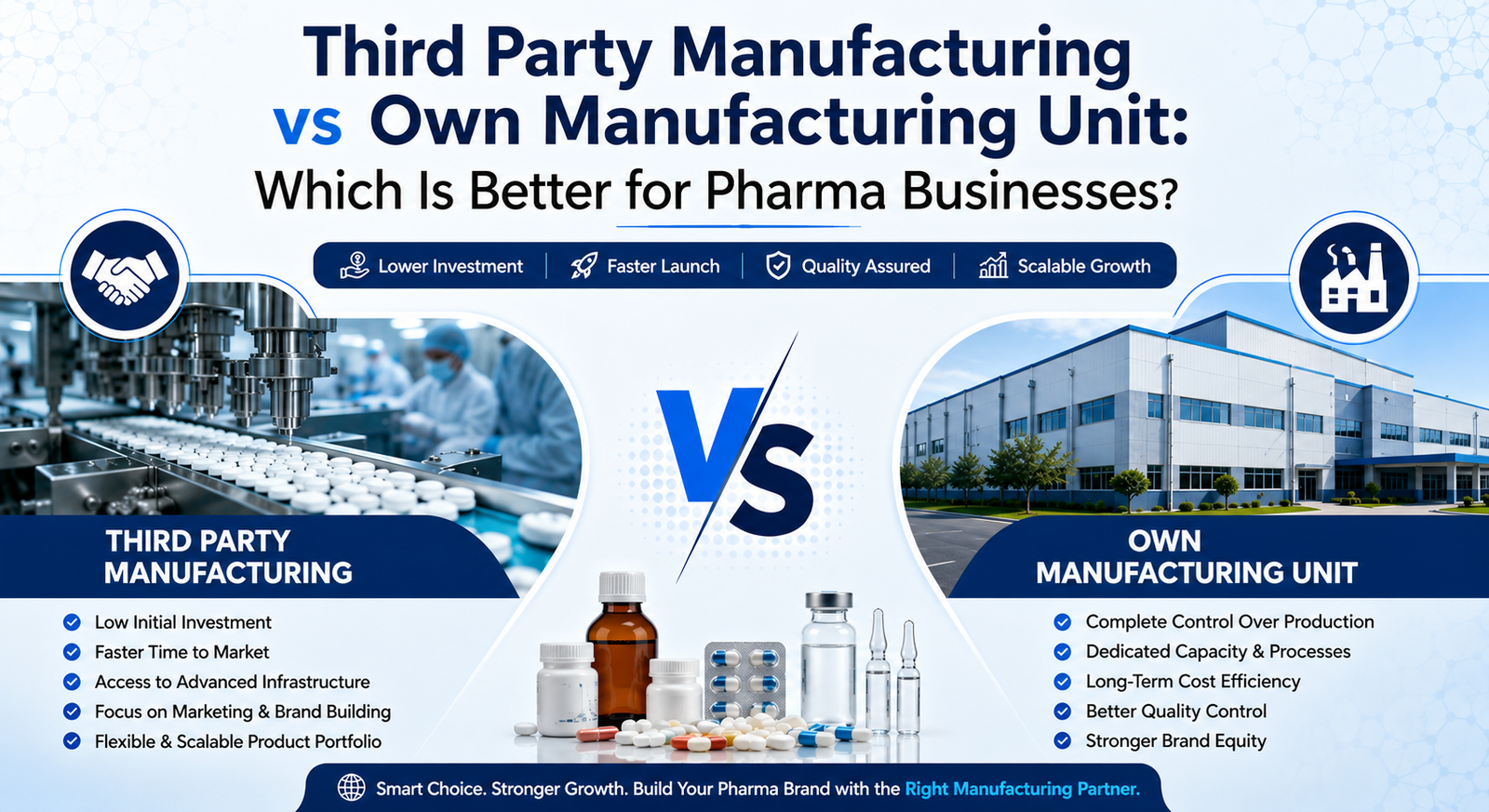
Starting or expanding a pharmaceutical business in India involves an important strategic decision: should you establish your own manufacturing unit or partner with a third-party pharmaceutical manufacturer?
Both models have advantages and limitations. Owning a manufacturing facility can provide greater control over production, while third party pharma manufacturing can help businesses enter the market without investing heavily in land, machinery, production infrastructure and manufacturing operations
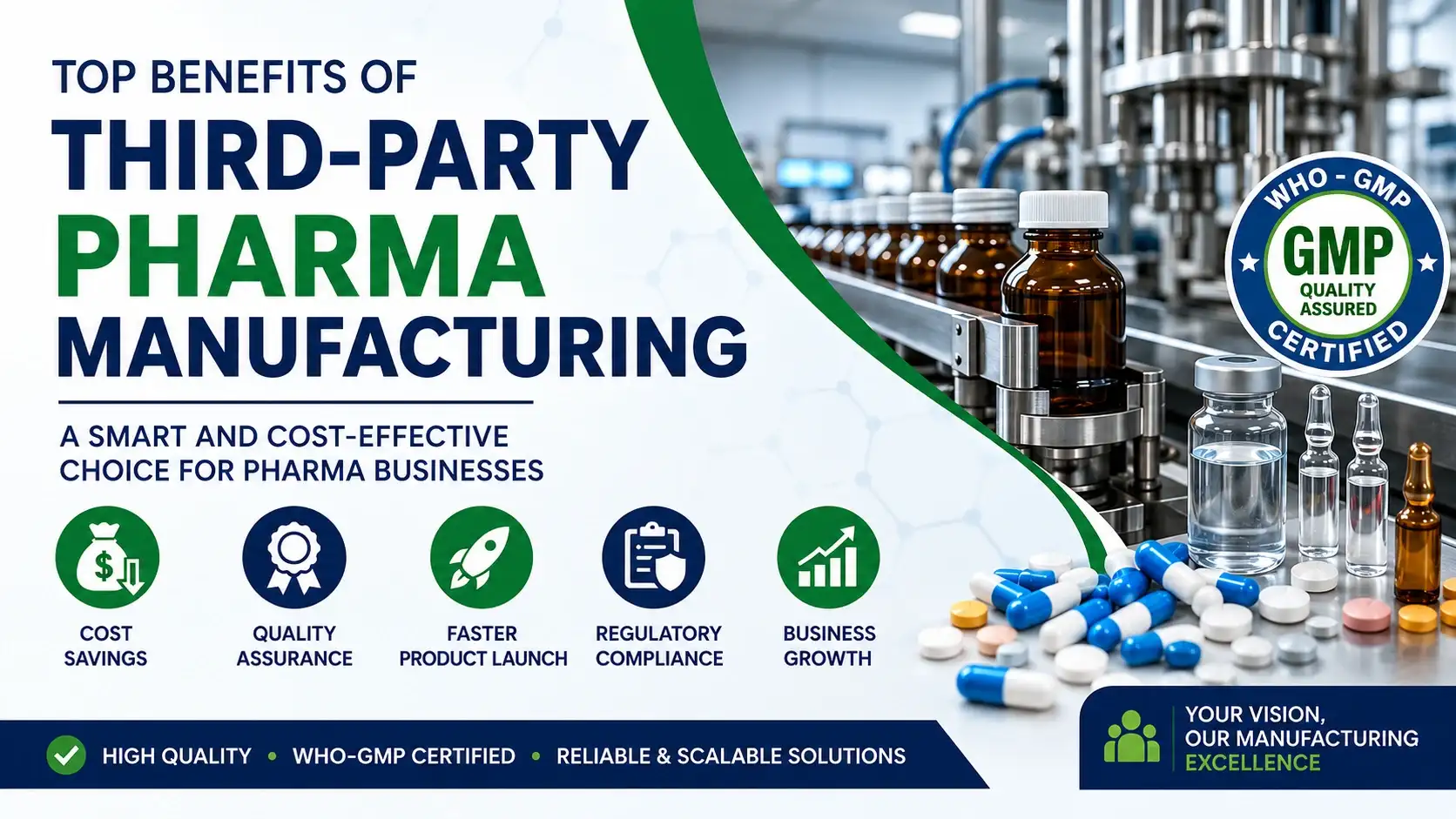
Third party pharma manufacturing is a business model in which a pharmaceutical company or brand owner partners with an external manufacturing organization to produce medicines under agreed specifications, packaging and commercial terms.
The manufacturing partner generally handles production-related activities, while the brand owner can focus on areas such as:
At AVN Life Sciences, third-party manufacturing solutions are supported through a network of manufacturing partners. AVN's model focuses on connecting businesses with suitable manufacturing capabilities rather than positioning AVN itself simply as a factory owner.
Owning a pharmaceutical manufacturing unit means establishing and operating your own production facility.
This requires significantly more involvement in the manufacturing side of the business, including:
An owned facility can provide a high degree of operational control, but it also creates substantial capital and management responsibilities.
1. Initial Investment
One of the biggest differences between the two models is capital investment.
Third Party Manufacturing
With third party manufacturing, a business does not have to establish its own manufacturing plant.
This can reduce the need for investment in:
This can make third party manufacturing attractive for businesses that want to allocate more capital toward marketing, distribution, sales and brand development.
Own Manufacturing Unit
Setting up an own pharmaceutical manufacturing unit requires substantial investment.
Depending on the manufacturing category, investment can involve:
Therefore, an owned manufacturing unit generally requires considerably greater financial commitment.
2. Infrastructure and Machinery
Third Party Manufacturing
The manufacturing partner already has the production infrastructure required for the agreed products.
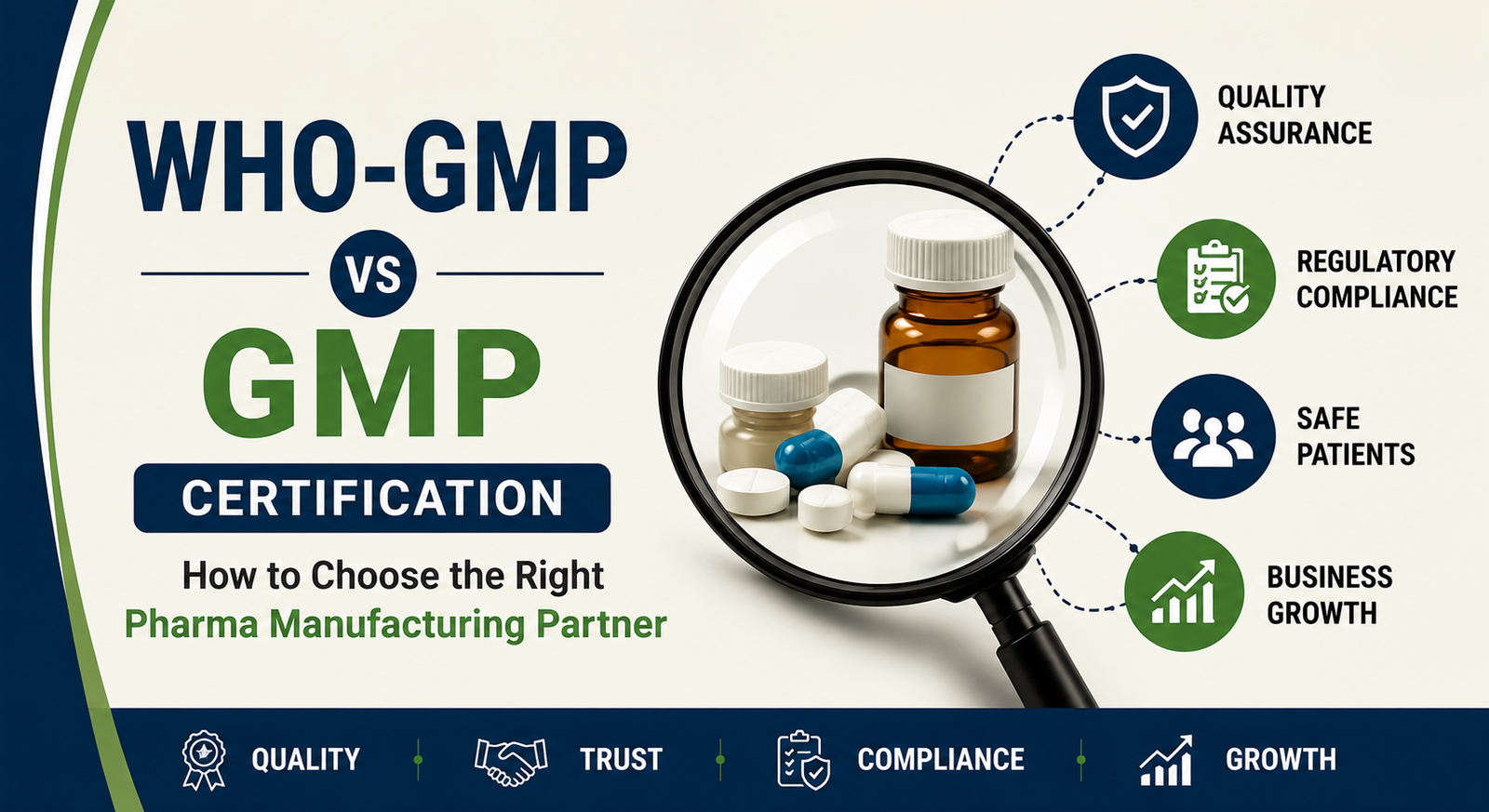
AVN Life Sciences currently describes its third-party manufacturing model as working through a network of manufacturing partners, including WHO-GMP-certified manufacturing partners.
This allows the business owner to avoid establishing manufacturing infrastructure from scratch.
Own Manufacturing
With your own facility, you are responsible for selecting, purchasing, installing and maintaining appropriate machinery and infrastructure.
This can provide greater control but also increases operational complexity.
3. Quality Control
Quality is one of the most important considerations in pharmaceutical manufacturing.
Third Party Manufacturing
A business can work with an established manufacturing partner that already has quality-control systems and manufacturing infrastructure.
However, the brand owner should not simply assume that every manufacturer provides the same quality.
Before selecting a manufacturing partner, evaluate:
AVN states that its third-party manufacturing network includes WHO-GMP-certified manufacturing partners and emphasizes quality checks and documentation support.
Own Manufacturing
With your own facility, you have direct responsibility for establishing and maintaining your quality-management and testing systems.
This provides greater control but requires significant expertise and ongoing investment.
4. Speed to Market
For a new pharmaceutical business, time can be an important consideration.
Third Party Manufacturing
A business can potentially launch products faster because it does not first have to build a factory and install production infrastructure.
Once product specifications, commercial terms, packaging, documentation and other requirements are finalized, production can be coordinated with the manufacturing partner.
Own Manufacturing
A new facility requires planning, construction or acquisition, equipment installation, hiring, qualification, regulatory processes and operational preparation.
This means the initial setup can take considerably longer.
5. Scalability
Third Party Manufacturing
Third party manufacturing can offer flexibility when expanding a product portfolio.
For example, a business may want to add:
The practical options depend on the manufacturing partner's capabilities and applicable regulatory requirements.
AVN's current Product page lists multiple dosage forms and therapeutic segments available through its manufacturing network.
Own Manufacturing
An owned facility can also scale, but increasing capacity may require:
Therefore, scaling an owned facility can require additional capital expenditure.
6. Operational Responsibility
This is another major difference.
Third Party Manufacturing
The brand owner can concentrate primarily on:
Marketing → Sales → Distribution → Brand Building
while the manufacturing partner manages agreed production activities.
Own Manufacturing
With an owned facility, management must deal with:
This creates greater control but also greater responsibility.
7. Control Over Manufacturing
This is where owning your own manufacturing facility has a major advantage.
Own Manufacturing Unit
You have direct control over:
Third Party Manufacturing
You depend on your manufacturing partner for production capacity and execution.
However, a well-defined agreement can establish expectations around:
Therefore, businesses should select manufacturing partners carefully.
There is no single answer that is right for every pharmaceutical business.
Choose third party manufacturing if your priority is:
Lower infrastructure investment + faster market entry + business flexibility + focus on sales and brand development.
Consider your own manufacturing unit if your priority is:
Maximum manufacturing control + dedicated capacity + long-term infrastructure ownership + large-scale production.
For many entrepreneurs and growing pharmaceutical businesses, third party manufacturing can be a practical way to enter or expand in the pharmaceutical market before considering major investment in manufacturing infrastructure.
AVN Life Sciences helps businesses explore third-party pharmaceutical manufacturing through a network of manufacturing partners.
According to AVN's current manufacturing page, its network includes 50+ manufacturing partners, covers 20+ states, and supports multiple pharmaceutical dosage forms and therapeutic segments.
AVN's approach is designed for businesses that want to build or expand a pharmaceutical product portfolio without establishing their own manufacturing facility.
The process includes:
This allows businesses to focus on their commercial objectives while the manufacturing process is coordinated through suitable manufacturing partners
Explore our Third Party Manufacturing solutions to learn more about our manufacturing network, product capabilities, process, dosage forms and business support.
Discover our collection of related blogs covering expert health tips, wellness advice, and the latest updates from the pharma industry.